25 Gluten-Free Foods That Boost Digestion
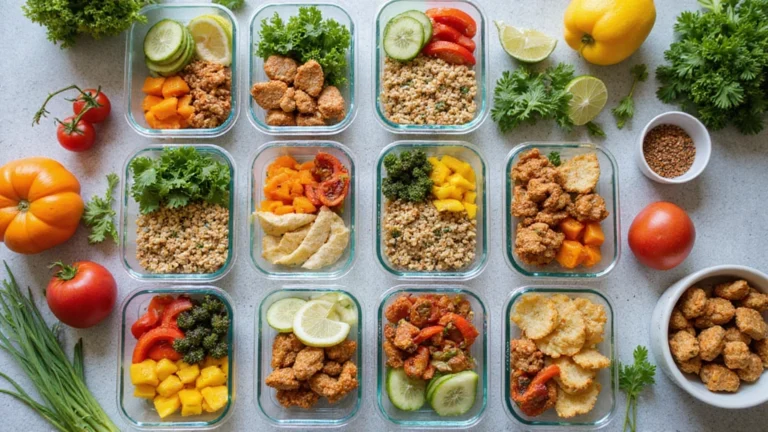
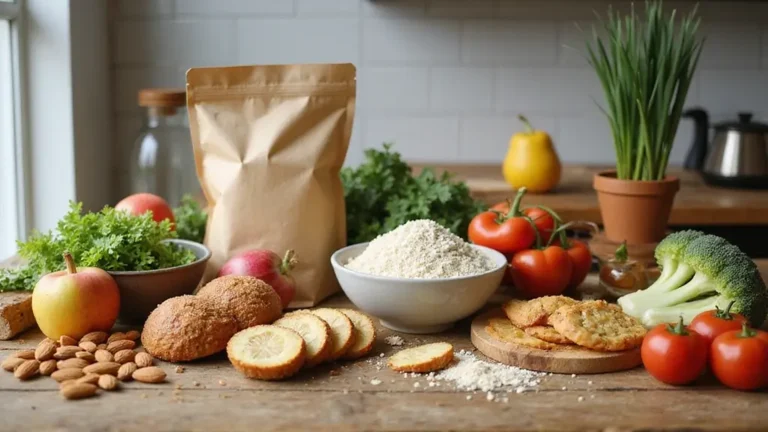
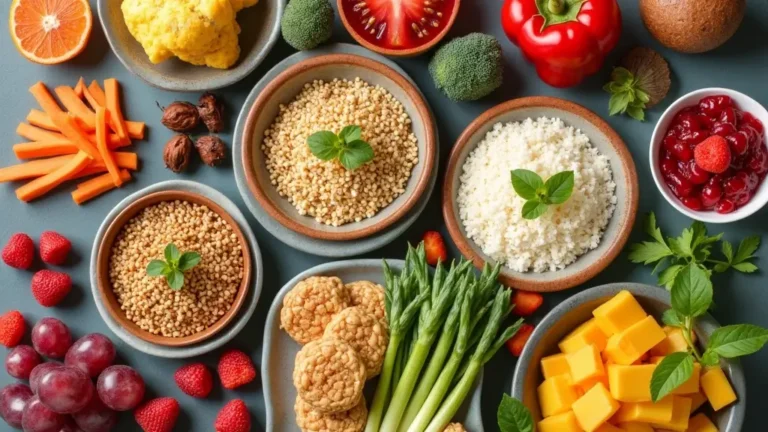
Are you looking to improve your digestive health while sticking to a gluten-free diet? You’re not alone! With so many people embracing gluten-free lifestyles, it’s crucial to focus on foods that not only meet dietary needs but also support gut health. That’s why I created this list of 25 gluten-free foods that boost digestion.
If you’re someone who values a healthy gut or is exploring digestive health foods, this post is tailor-made for you. Whether you’re a seasoned gluten-free eater or just starting, you’ll find insights that cater to your needs. We all want to feel our best, and what we eat plays a massive role in that.
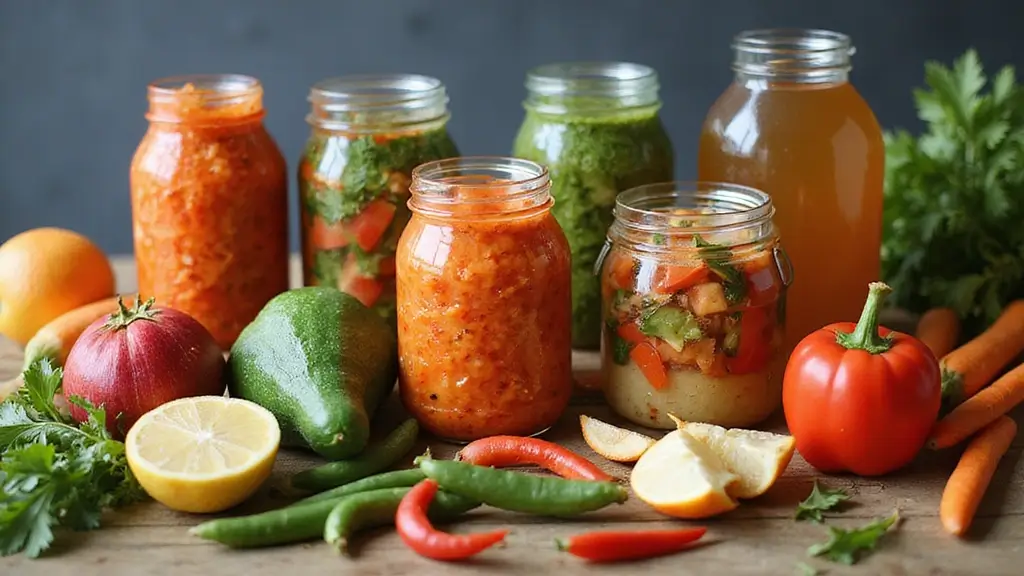
In this article, you’ll discover a variety of gluten-free fermented foods, from kimchi to kombucha, that can enhance your digestion. Each food item is packed with probiotics, which support gut health. Plus, I’ve included practical tips for incorporating these digestive powerhouses into your meals and snacks. By the end, you’ll have a treasure trove of gluten-free options that not only satisfy your cravings but also promote a healthy gut. Let’s dive in and explore these delicious foods together!
Key Takeaways
- Incorporating fermented foods like sauerkraut and miso can introduce beneficial probiotics to your diet, helping to improve overall digestion.
- Coconut yogurt is a great gluten-free alternative that is not only tasty but also supports gut health with its live cultures.
- Snack on fermented pickled vegetables to enjoy a flavorful, gut-friendly option that adds crunch to your meals.
- Try kombucha as a refreshing drink that not only hydrates but also aids digestion through its natural fermentation.
- Boost your meals with fermented garlic or fermented hot sauce to add flavor while also supporting digestive health.
1. Kimchi
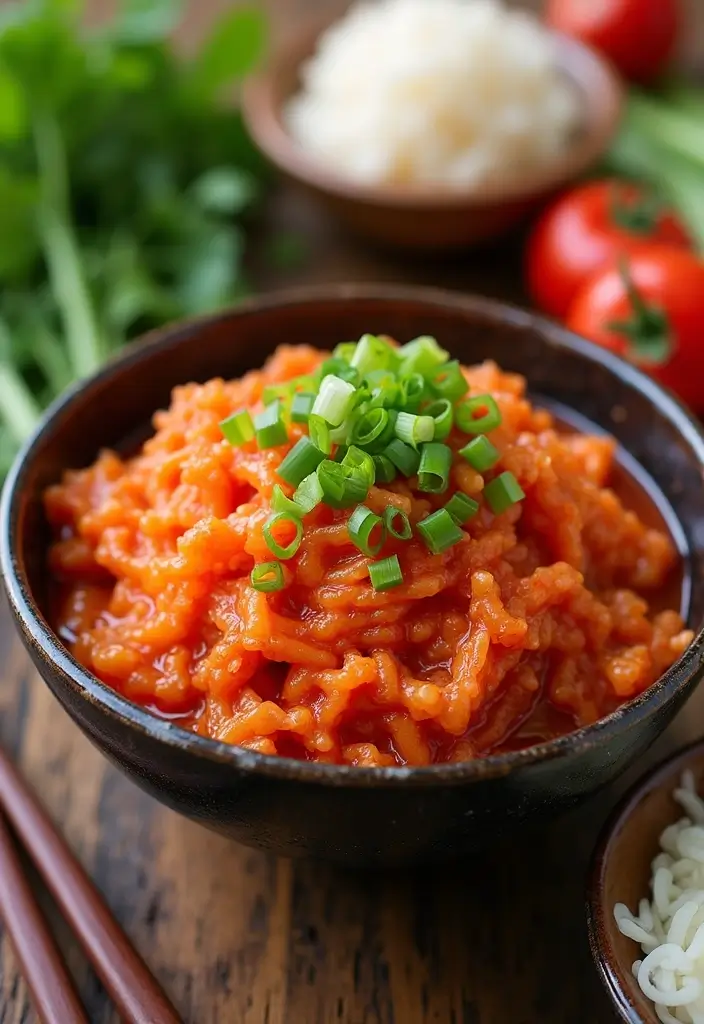
Kimchi is more than just a traditional Korean dish; it’s a flavorful probiotic powerhouse! This fermented vegetable mix usually features napa cabbage and Korean radishes, seasoned with garlic, ginger, and various spices. The fermentation process creates beneficial bacteria that promote gut health and improve digestion. Not only does kimchi add a spicy kick to your meals, but it also enhances your immune system with its vitamin content. Enjoy it as a side dish, a topping, or even in stir-fries for a tasty health boost!
Recipe Overview:
– Servings: 4
– Prep Time: 30 mins
– Cook Time: 1 hour (plus fermentation time)
– Total Time: 24 hours (including fermentation)
– Calories: Approximately 25 per serving.
Ingredients:
– 1 large Napa cabbage
– 1 cup Korean radish, julienned
– 1 cup water
– 3 tablespoons sea salt
– 5-6 cloves garlic, minced
– 1 inch ginger, grated
– 1 tablespoon sugar
– 3 tablespoons Korean chili powder (gochugaru)
– 4 green onions, chopped
Instructions:
1. Cut the napa cabbage into quarters and remove the core. Cut into bite-sized pieces.
2. In a large bowl, dissolve salt in water, add cabbage, and let sit for 2 hours, turning occasionally.
3. Drain the cabbage and rinse thoroughly to remove excess salt.
4. In a separate bowl, mix garlic, ginger, sugar, and chili powder to make the paste.
5. Combine the paste with the cabbage, radish, and green onions, mixing well.
6. Pack the mixture tightly into a jar, leaving room for fermentation.
7. Seal and leave at room temperature for 1-2 days, then refrigerate.
FAQs:
How long does kimchi last?
Typically, 1-2 months in the refrigerator.
Kimchi
Editor’s Choice
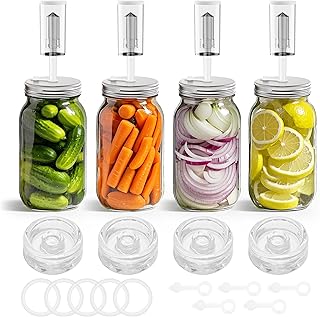
Fermentation Kit for Wide-Mouth Mason fermentation Jar, pickling/sauerkraut…
 Amazon$27.99
e-jen Premium Kimchi, Sauerkraut Container Probiotic Fermentation with I…
Amazon$16.47
NONGSHIM TAEKYUNG Korean Chili Powder, Gochugaru Chili Flakes. Kimchi Po…
Amazon$12.952. Sauerkraut
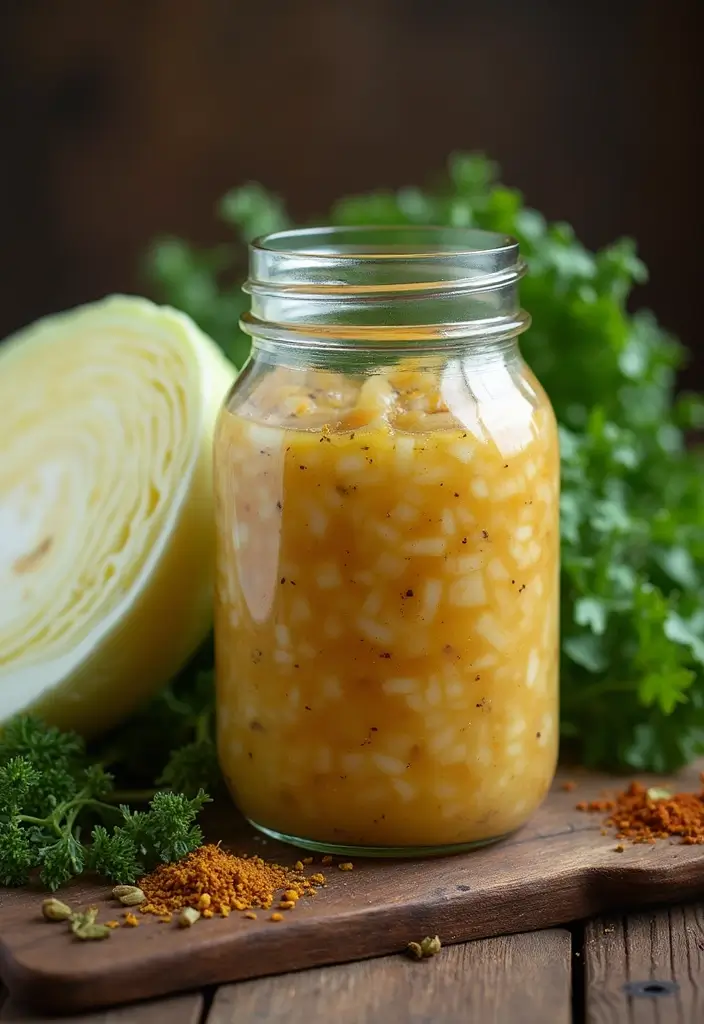
Sauerkraut is not just a tangy side dish; it’s a crunchy delight packed with probiotics! This fermented cabbage dish hails from Germany and is a fantastic source of vitamins C and K. Making your own sauerkraut is straightforward: shred cabbage, mix with salt, and let it ferment. The resulting flavor adds a delightful zing to a wide range of meals, from sausages to salads. Eating sauerkraut replenishes gut bacteria, aiding digestion and improving overall gut health.
Recipe Overview:
– Servings: 8
– Prep Time: 15 mins
– Fermentation Time: 1-3 weeks
– Total Time: 1 week
– Calories: Approximately 20 per serving.
Ingredients:
– 1 medium green cabbage
– 3 tablespoons sea salt
– 1 tablespoon caraway seeds (optional)
Instructions:
1. Shred the cabbage finely and place it in a bowl.
2. Sprinkle salt over it and massage until the cabbage releases its juices.
3. Pack the cabbage tightly into a jar, ensuring it is submerged in its liquid.
4. If using, add caraway seeds for extra flavor.
5. Cover the jar with a cloth and secure it with a rubber band.
6. Let it ferment at room temperature for 1-4 weeks, tasting along the way.
7. Once it reaches your desired tanginess, seal and store in the refrigerator.
FAQs:
Is sauerkraut gluten-free?
Yes, sauerkraut is naturally gluten-free.
Fun fact: A half cup of sauerkraut packs billions of probiotics that help your gut flourish. No fancy supplements needed—just fermentation magic, vitamins C and K, and a crisp tang that boosts digestion and gluten-free meals.
Sauerkraut
Editor’s Choice
Fermentation Kit for Wide-Mouth Mason fermentation Jar, pickling/sauerkraut…
Amazon$27.99
Amazon Grocery, Sea Salt, Fine Ground, 16 Oz (Previously Happy Belly, Pa…
Amazon$2.14
Badia Caraway Seeds, 16 oz – Whole Seed for Cooking, Mild Anise Flavor F…
Amazon$9.993. Kombucha

Kombucha is a fizzy drink that has taken the health world by storm! This fermented tea is rich in probiotics, which can improve digestion and detoxify your body. Made by fermenting sweetened tea with a SCOBY (a culture of bacteria and yeast), kombucha offers a refreshing, slightly tangy taste. It’s a great way to hydrate while boosting your gut’s probiotic levels. You can even customize flavors by adding fruits or herbs, making it a fun drink to enjoy!
Recipe Overview:
– Servings: 4
– Prep Time: 15 mins
– Fermentation Time: 7-14 days
– Total Time: 14 days
– Calories: Approximately 30 per serving.
Ingredients:
– 8 cups water
– 1 cup sugar
– 8 bags of black tea (or green tea)
– 1 SCOBY
– 2 cups pre-made kombucha (as starter)
– Flavoring: fruits, herbs (optional)
Instructions:
1. Boil 4 cups of water and dissolve the sugar.
2. Add tea bags and steep for about 15 minutes.
3. Remove tea bags, and add the remaining 4 cups of cool water.
4. Pour the cooled tea into a clean glass jar and add the starter kombucha and SCOBY.
5. Cover the jar with a cloth and secure it with a rubber band.
6. Let it ferment in a warm, dark place for about 7-14 days, tasting periodically.
7. Once ready, remove the SCOBY and bottle the kombucha, adding flavorings if desired.
8. Refrigerate and enjoy!
FAQs:
Is kombucha safe for everyone?
Most people can enjoy it, but those with certain health conditions should consult a doctor.
Kombucha is my go-to gluten-free boost for digestion—it’s fizzy, probiotic-rich, and easy to sip daily. It keeps my gut happy without weighing me down. Customize with fruit or herbs and turn every glass into a gut-friendly ritual.
Kombucha
Editor’s Choice

The Kombucha Shop Organic Kombucha Starter Kit – 1 Gallon Brewing Kit In…
Amazon$54.99
Nature’s Bounty Acidophilus Probiotic, Daily Probiotic Supplement, Digestive…
Amazon$9.99
2 Pack Fermentation Jar Kit,32 oz Mason Jar Fermentation Kit with Fermen…
Amazon$19.994. Coconut Yogurt

Coconut yogurt is a fantastic option for anyone looking to avoid dairy! This creamy, tangy yogurt alternative is made from fermented coconut milk and is full of probiotics. It’s naturally gluten-free and can be enjoyed in various ways, like smoothies or parfaits. Coconut yogurt provides healthy fats that support gut health, making it an excellent addition to your diet. You can also personalize it by adding fruits or sweeteners to match your taste!
Recipe Overview:
– Servings: 4
– Prep Time: 10 mins
– Fermentation Time: 24-48 hours
– Total Time: 2 days
– Calories: Approximately 100 per serving.
Ingredients:
– 2 cans full-fat coconut milk
– 1 tablespoon probiotic powder (or contents of probiotic capsules)
– 1 tablespoon maple syrup (optional for sweetness)
Instructions:
1. In a clean jar, combine coconut milk and probiotic powder.
2. Stir until well mixed and add maple syrup if desired.
3. Cover with a clean cloth and secure with a rubber band.
4. Let it ferment at room temperature for 24-48 hours.
5. Once ready, stir and store in the refrigerator.
6. Serve chilled and enjoy!
FAQs:
How long does coconut yogurt last?
About 1-2 weeks in the refrigerator.
Coconut Yogurt
Editor’s Choice

Thai Kitchen Gluten Free Unsweetened Coconut Milk, 13.66 fl oz (Pack of 12)
Amazon$18.96
ZEBORA Probiotics for Women, Men and Kids, Prebiotics and Probiotics Pow…
Amazon$16.99
Butternut Mountain Farm Pure Vermont Maple Syrup, Grade A, Dark Color, R…
Amazon$17.975. Miso
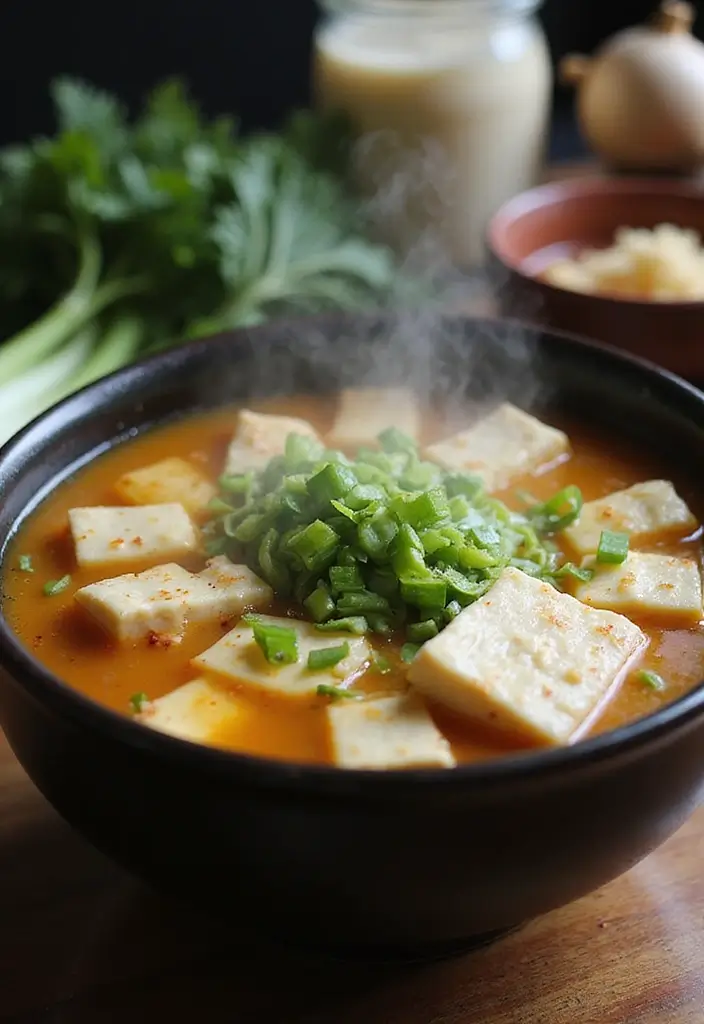
Miso is a rich and flavorful paste that can elevate many dishes! This fermented soybean product is versatile and comes in different varieties, from white miso to red. As a probiotic-rich food, miso supports gut health while enhancing the taste of soups, dressings, and marinades. It’s gluten-free, making it suitable for those with sensitivities. Using miso in your cooking not only boosts flavor but also promotes digestive wellness.
Recipe Overview:
– Servings: 4
– Prep Time: 5 mins
– Cook Time: 10 mins
– Total Time: 15 mins
– Calories: Approximately 35 per serving.
Ingredients:
– 4 cups water
– 2 tablespoons miso paste
– 1 block of tofu, diced
– 1 cup green onions, chopped
– Optional: seaweed, mushrooms, or vegetables for added flavor
Instructions:
1. In a pot, bring water to a simmer.
2. Dissolve miso paste in a small bowl with a few tablespoons of hot water.
3. Add the dissolved miso into the pot and stir well.
4. Add tofu and other optional ingredients, simmering for another 5 minutes.
5. Serve hot, garnished with chopped green onions.
FAQs:
Is all miso gluten-free?
Check the label, as some brands add wheat.
Fun fact: just 1 tablespoon of miso delivers probiotics that support gut health. Stir it into soups or dressings for a gluten-free, savory boost—your gut and taste buds will thank you for the extra umami.
Miso
Editor’s Choice

Nature’s Bounty Acidophilus Probiotic, Daily Probiotic Supplement, Digestive…
Amazon$9.99
Mori-Nu Silken Tofu Extra Firm, Velvety Smooth and Creamy, Low Fat, Glut…
Amazon$36.636. Tempeh

Tempeh is a fantastic source of protein and probiotics, making it an excellent choice for vegetarians and vegans! This fermented soybean product has a firm texture and nutty flavor, perfect for grilling or stir-frying. The fermentation process makes tempeh easier to digest while boosting nutrient absorption. Incorporating tempeh into your meals can enhance your diet while promoting gut health. It’s a versatile ingredient that works well in a variety of dishes, from tacos to salads.
Recipe Overview:
– Servings: 4
– Prep Time: 10 mins
– Cook Time: 15 mins
– Total Time: 25 mins
– Calories: Approximately 200 per serving.
Ingredients:
– 1 package tempeh
– 2 tablespoons soy sauce (or tamari for gluten-free)
– 1 tablespoon olive oil
– 1 teaspoon garlic powder
– Optional: vegetables for stir-fry
Instructions:
1. Slice tempeh into thin strips or cubes.
2. In a pan, heat olive oil over medium heat.
3. Add tempeh and cook for 5-7 minutes until golden brown.
4. Stir in soy sauce and garlic powder, cooking for another 3 minutes.
5. Serve over rice or mixed with vegetables.
FAQs:
Is tempeh healthier than tofu?
Tempeh has more protein and fiber.
Tempeh
Editor’s Choice


Pompeian Robust Extra Virgin Olive Oil, Contains Polyphenols, First Cold…
Amazon$15.647. Kefir
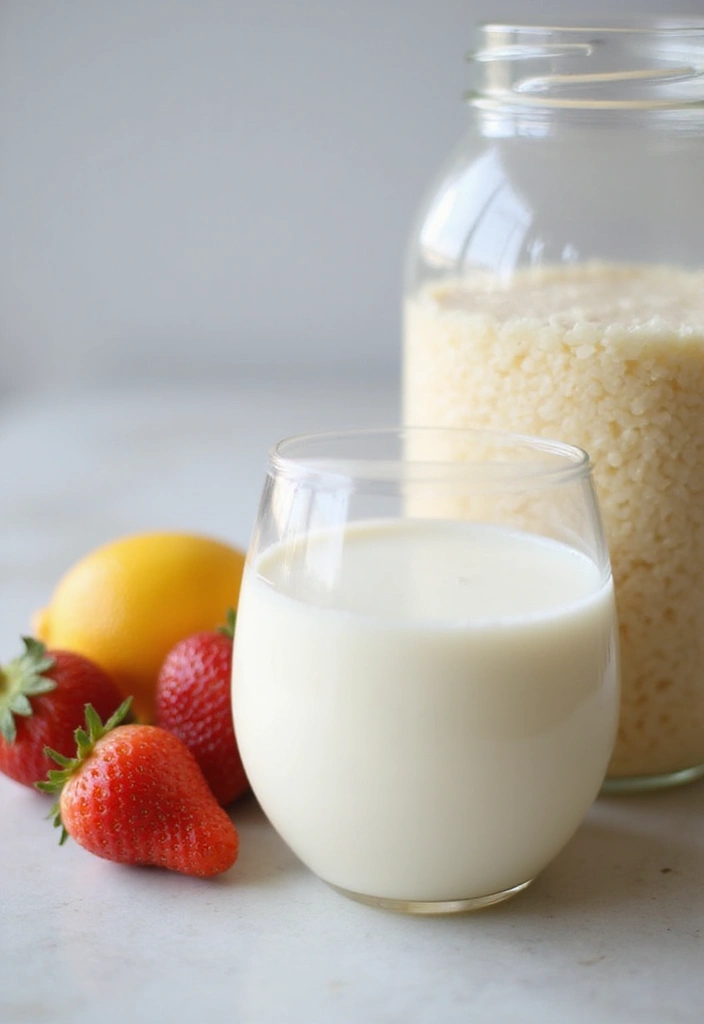
Kefir is a tangy fermented drink that offers a wealth of probiotics and vitamins! This dairy beverage is similar to yogurt but has a thinner texture, making it perfect for sipping or blending into smoothies. Made with kefir grains added to milk, it supports digestive health by promoting the growth of beneficial bacteria and yeasts. If you’re lactose intolerant, you may find kefir easier to digest since the fermentation process breaks down lactose. It’s a refreshing choice for anyone aiming to boost their gut health.
Recipe Overview:
– Servings: 4
– Prep Time: 5 mins
– Fermentation Time: 24 hours
– Total Time: 24 hours
– Calories: Approximately 70 per serving.
Ingredients:
– 4 cups milk (or dairy-free milk)
– 2 tablespoons kefir grains
Instructions:
1. In a clean jar, combine milk and kefir grains.
2. Cover the jar with a cloth and secure it.
3. Let it sit at room temperature for about 24 hours.
4. Strain the kefir into another container, and enjoy your fresh drink!
5. Store the grains for future batches.
FAQs:
Can I use non-dairy milk?
Yes, but water kefir grains are recommended for non-dairy alternatives.
Kefir
Editor’s Choice

1 TBSP Milk Kefir Grains and eBook “Milk Kefir Unleashed by Thomas Egber…
Amazon$15.99
Silk Shelf-Stable Almond Milk, Unsweetened Vanilla, Dairy-Free, Vegan, N…
Amazon$12.98
Physician’s Choice Probiotics 60 Billion CFU – 10 Strains + Organic Prebiotics
Amazon$23.978. Pickled Vegetables
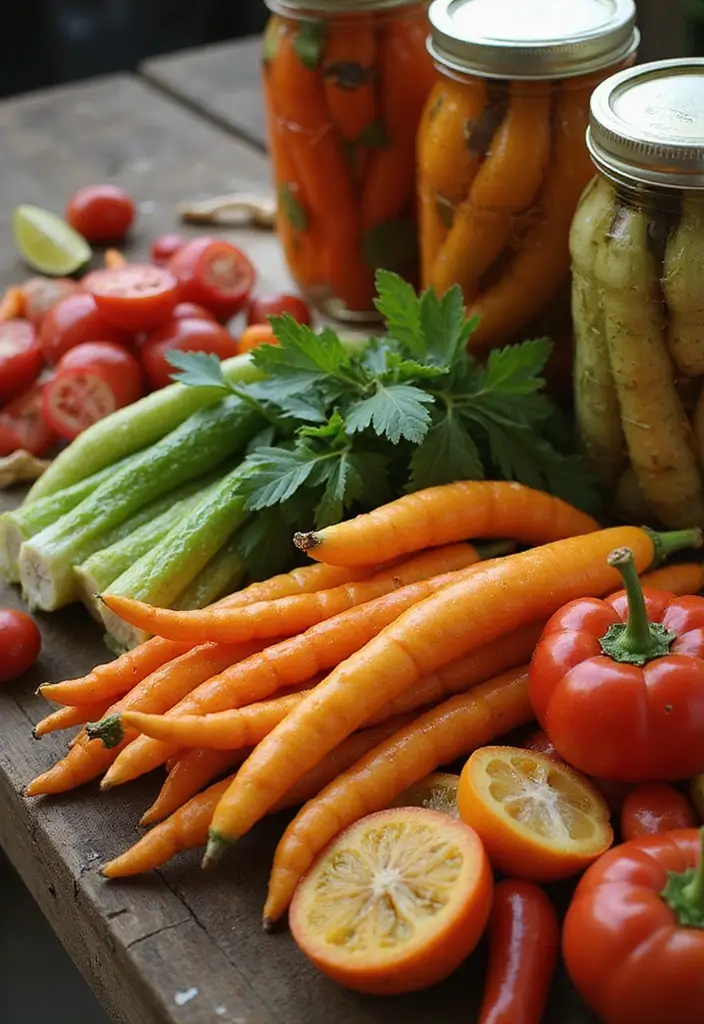
Pickling vegetables is a fun and easy way to add probiotics to your meals! Whether you choose cucumbers, carrots, or radishes, pickled veggies are crunchy and packed with flavor. The pickling process involves soaking vegetables in a vinegar-and-salt solution, allowing beneficial bacteria to thrive. They make excellent snacks and add a zesty punch to salads and sandwiches. Enjoying pickled vegetables can help improve digestion and balance gut flora.
Recipe Overview:
– Servings: 8
– Prep Time: 15 mins
– Pickling Time: 1-5 days
– Total Time: 5 days
– Calories: Approximately 10 per serving.
Ingredients:
– 1 cup chopped vegetables (cucumbers, carrots, etc.)
– 1 cup vinegar (white or apple cider)
– 1 tablespoon sea salt
– 1 tablespoon sugar (optional)
– Spices: garlic, dill, mustard seeds (optional)
Instructions:
1. Prepare the vegetables and pack them tightly into a jar.
2. In a pot, combine vinegar, salt, and sugar, bringing to a boil.
3. Pour the hot mixture over the vegetables in the jar, filling it to the brim.
4. Seal the jar and let it sit in the fridge.
5. Allow 1-5 days for flavors to develop.
FAQs:
How long do pickled veggies last?
Typically, they can last for 1-2 months in the fridge.
Pickled Vegetables
Editor’s Choice

Masontops Complete Mason Jar Fermentation Kit – Easy Small/Regular Mouth…
Amazon$49.99
100% Raw-unfiltered Organic Apple Cider Vinegar with “The Mother” 34 Oz …
Amazon$9.99
Amazon Grocery, Sea Salt, Fine Ground, 16 Oz (Previously Happy Belly, Pa…
Amazon$2.149. Fermented Salsa
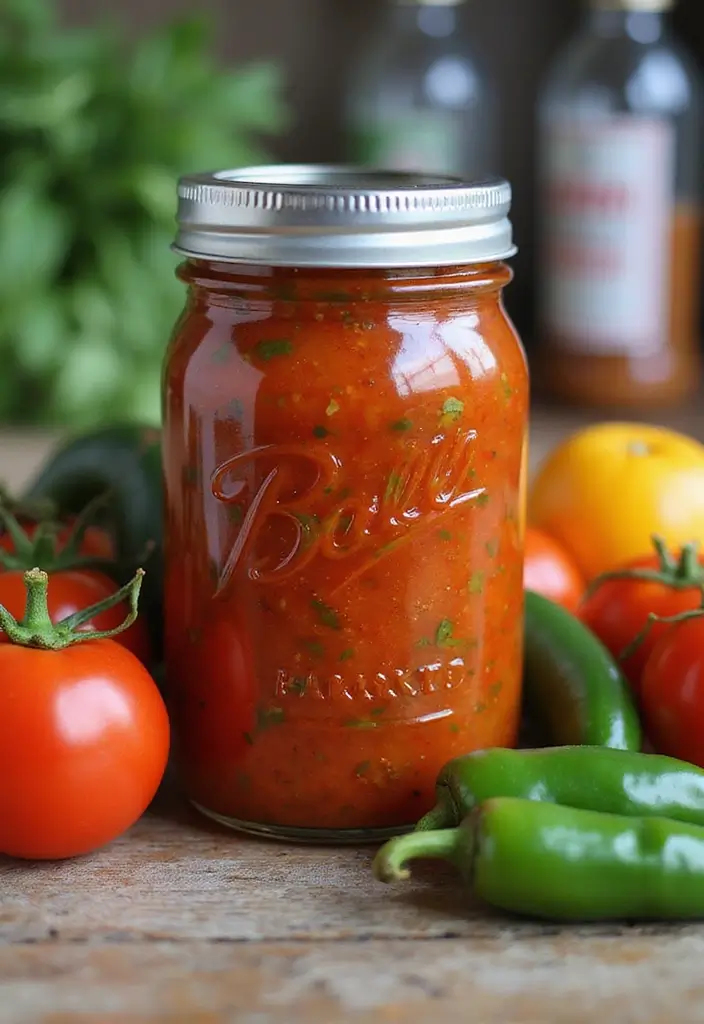
Take your salsa to the next level by fermenting it! This tasty condiment not only enhances the flavors of fresh tomatoes, onions, and chilies but also brings probiotic benefits. Fermented salsa can be a perfect addition to taco night or a delicious dip for tortilla chips. It’s a versatile condiment that adds both taste and health perks to your meals!
Recipe Overview:
– Servings: 8
– Prep Time: 10 mins
– Fermentation Time: 3-7 days
– Total Time: 7 days
– Calories: Approximately 25 per serving.
Ingredients:
– 4 ripe tomatoes, diced
– 1 onion, finely chopped
– 1 jalapeño, diced (optional)
– 1 teaspoon sea salt
– Juice of 1 lime
– 1 garlic clove, minced
Instructions:
1. In a bowl, mix all the ingredients well.
2. Pack the salsa into a clean jar, pressing down to remove air bubbles.
3. Cover the jar with a cloth and secure it.
4. Let it sit at room temperature for 3-7 days, tasting daily until you achieve your desired tang.
5. Once fermented, refrigerate and enjoy!
FAQs:
Can I ferment other types of salsa?
Absolutely! Try experimenting with different ingredients.
Fermented Salsa
Editor’s Choice
Fermentation Kit for Wide-Mouth Mason fermentation Jar, pickling/sauerkraut…
Amazon$27.99
Fermentation Kit for Wide Mouth Mason Jars-4 Stainless Steel Fermentatio…
Amazon$32.96
Physician’s Choice Probiotics 60 Billion CFU – 10 Strains + Organic Prebiotics
Amazon$23.9710. Beet Kvass
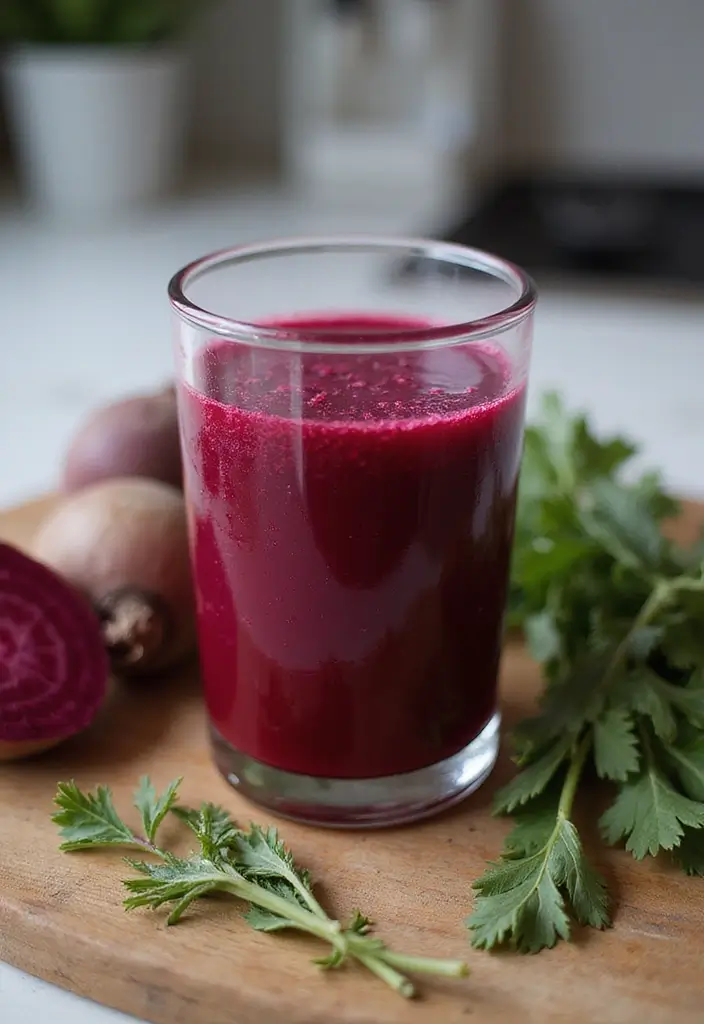
Beet kvass is a vibrant drink that’s both tasty and good for you! This traditional Eastern European beet ferment is known for its liver-supporting properties. The fermentation process transforms the beets into a probiotic-rich drink that aids detoxification and boosts digestion. Enjoy this colorful beverage on its own or use it in salad dressings and soups for a healthful kick!
Recipe Overview:
– Servings: 8
– Prep Time: 20 mins
– Fermentation Time: 3-5 days
– Total Time: 5 days
– Calories: Approximately 15 per serving.
Ingredients:
– 3 medium beets, peeled and cubed
– 1 tablespoon sea salt
– 4 cups water
– Optional: a slice of lemon or spices to taste
Instructions:
1. In a jar, add beets and salt.
2. Pour in water, ensuring beets are fully submerged.
3. Cover with a cloth and secure with a rubber band.
4. Let it ferment at room temperature for 3-5 days, tasting until you reach your desired flavor.
5. Once ready, strain and store in the fridge.
FAQs:
How long does beet kvass last?
About 1-2 weeks in the refrigerator.
Beet Kvass
Editor’s Choice

Masontops Complete Mason Jar Fermentation Kit – Pickle Kit, Sauerkraut M…
Amazon$54.95
Kate Naturals Organic Beet Root Powder for Smoothies, Baking & Juice. Ra…
Amazon$9.99
Evvy Women’s 3-in-1 Complete Probiotic I Daily Probiotic Supplement to R…
Amazon$55.0011. Fermented Garlic
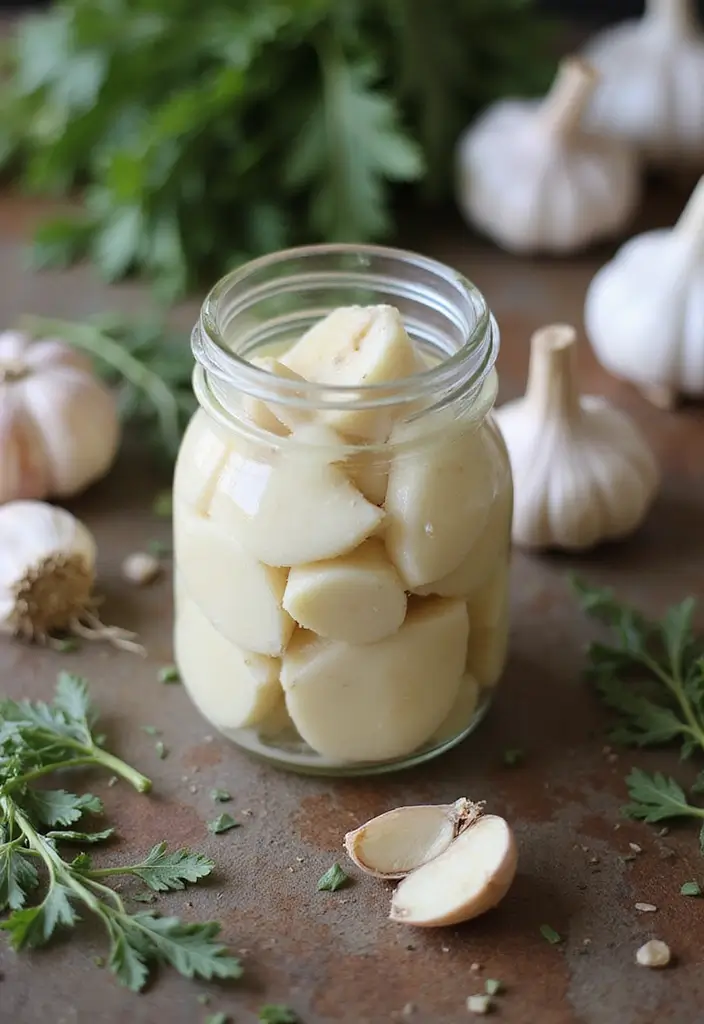
Fermented garlic is a flavor-packed condiment with fantastic health benefits! This process transforms garlic cloves into a creamy, milder version that enhances many dishes. Rich in probiotics, fermented garlic is a superb addition to dressings and dips, or as a spread on gluten-free bread. It’s an easy way to spice up your meals while improving digestion!
Recipe Overview:
– Servings: 8
– Prep Time: 10 mins
– Fermentation Time: 2-3 weeks
– Total Time: 3 weeks
– Calories: Approximately 5 per clove.
Ingredients:
– 1 cup peeled garlic cloves
– 1 tablespoon sea salt
– Water (enough to cover)
Instructions:
1. In a clean jar, pack the garlic cloves tightly.
2. Dissolve salt in water and pour over the garlic, ensuring it’s fully submerged.
3. Cover the jar with a cloth and secure it.
4. Allow to ferment at room temperature for 2-3 weeks, tasting periodically.
5. Once ready, seal and refrigerate.
FAQs:
How can I use fermented garlic?
Add it to sauces and dressings, or eat it with meals for its health benefits.
Fermented Garlic
Editor’s Choice
Dr. Mercola Solspring Organic Fermented Black Garlic Puree – Umami-Rich …
Amazon$19.97
Nature’s Bounty Acidophilus Probiotic, Daily Probiotic Supplement, Digestive…
Amazon$9.99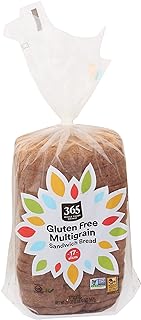
365 by WFM, Gluten Free Multigrain Bread, 20 oz, Ambient
Amazon$4.2912. Fermented Hot Sauce
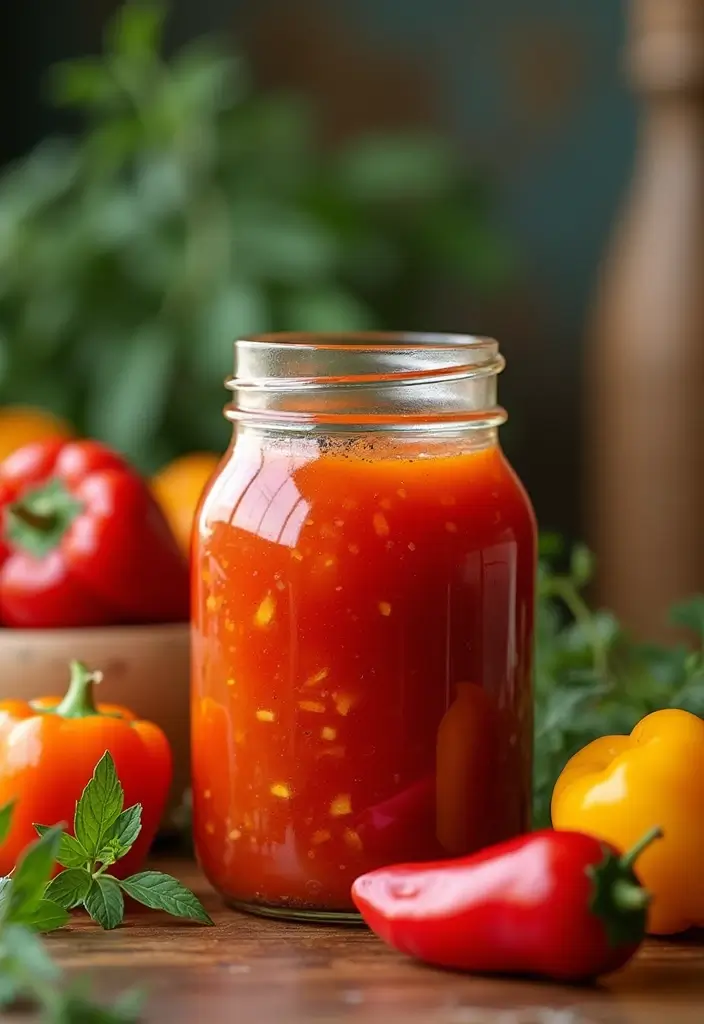
Create your own spicy delight with homemade fermented hot sauce! This fiery condiment not only adds flavor but also delivers a host of probiotics. By fermenting hot peppers with salt, you craft a zesty sauce perfect for drizzling on tacos or eggs. Making your own means you can control the heat level while supporting your digestive health!
Recipe Overview:
– Servings: 8
– Prep Time: 10 mins
– Fermentation Time: 1-2 weeks
– Total Time: 2 weeks
– Calories: Approximately 5 per tablespoon.
Ingredients:
– 10 hot peppers (like jalapeños or habaneros)
– 1 tablespoon sea salt
– 1 cup water
Instructions:
1. Remove stems from the peppers and chop them.
2. In a bowl, mix peppers with salt and pack into a jar.
3. Pour water over the peppers until submerged, adding a weight if necessary.
4. Cover the jar with a cloth and secure it.
5. Let it ferment for 1-2 weeks, tasting along the way.
6. Once fermented, blend until smooth and store in the fridge.
FAQs:
Can I ferment mild peppers, too?
Yes, you can adjust the spice level to your preference.
Fermented Hot Sauce
Editor’s Choice
Masontops Complete Mason Jar Fermentation Kit – Pickle Kit, Sauerkraut M…
Amazon$54.95
4-Pack of Fermentation Glass Weights with Easy-Grip Handle for Wide Mouth…
Amazon$14.99
Melinda’s Extreme Fiery Variety Pack – Extra Spicy Craft Hot Sauce Gift …
Amazon$14.9913. Fermented Fruit
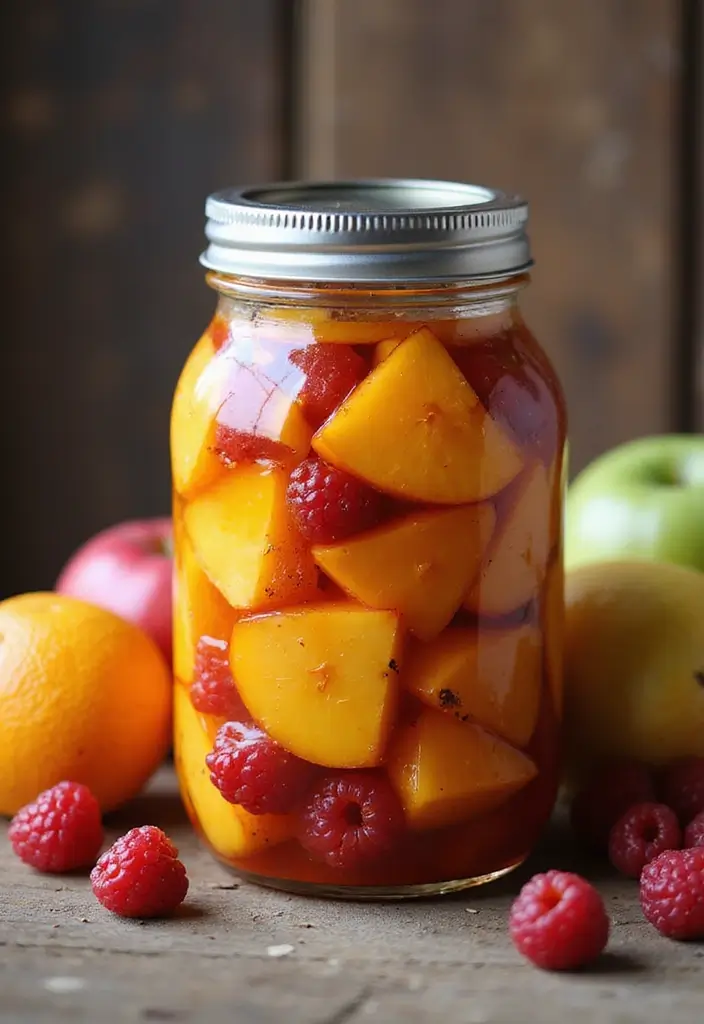
Fermenting fruit is a delightful way to enjoy sweet flavors while boosting your probiotic intake! You can transform fruits like peaches or strawberries into tangy treats through fermentation. This process not only enhances the taste but also increases the nutritional value, making it a guilt-free snack. Use fermented fruits in smoothies, as a dessert, or even in savory dishes for a unique twist!
Recipe Overview:
– Servings: 4
– Prep Time: 10 mins
– Fermentation Time: 3-5 days
– Total Time: 5 days
– Calories: Approximately 50 per serving.
Ingredients:
– 2 cups chopped fruit (any fruit you prefer)
– 1 tablespoon sea salt
– 1-2 tablespoons sugar (optional)
– Water (enough to cover)
Instructions:
1. In a jar, pack the chopped fruit tightly.
2. Dissolve salt (and sugar if using) in water and pour over the fruit, ensuring it’s submerged.
3. Cover with a cloth and secure it.
4. Let it ferment at room temperature for 3-5 days, tasting periodically.
5. Once fermented, seal and refrigerate.
FAQs:
Can I ferment dried fruits?
Yes, but the process might differ slightly.
Fermented Fruit
Editor’s Choice
Masontops Complete Mason Jar Fermentation Kit – Pickle Kit, Sauerkraut M…
Amazon$54.95
4-Pack of Fermentation Glass Weights with Easy-Grip Handle for Wide Mouth…
Amazon$14.99
Glass Regular Mouth Mason Jars, 16 oz Clear Glass Jars with Silver Metal…
Amazon$12.9914. Fermented Nuts
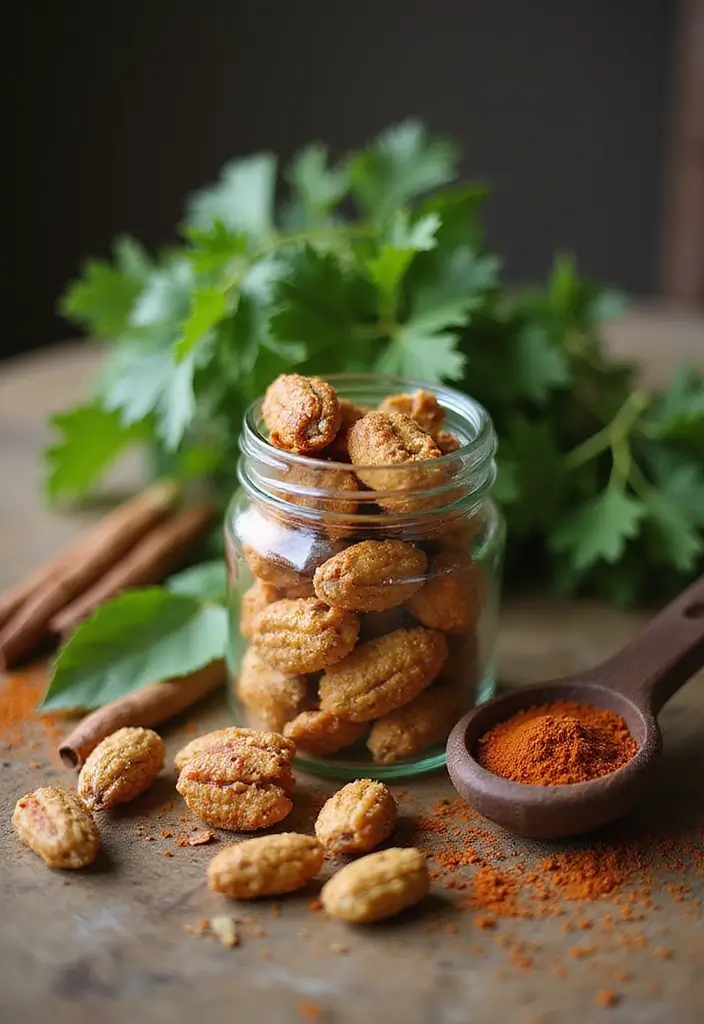
Fermenting nuts creates a crunchy snack with added health benefits! Soaking and fermenting nuts helps remove anti-nutrients, making them easier to digest. You can ferment almonds, cashews, or walnuts to make a creamy, tangy treat. These nuts are great on their own, used in desserts, or sprinkled on salads for an extra crunch. Plus, they deliver a probiotic boost for digestive health!
Recipe Overview:
– Servings: 4
– Prep Time: 10 mins
– Fermentation Time: 12-24 hours
– Total Time: 24 hours
– Calories: Approximately 200 per serving.
Ingredients:
– 1 cup raw nuts (almonds, cashews, etc.)
– 1 tablespoon sea salt
– Water (enough to cover)
Instructions:
1. Soak the nuts in water with salt for 12-24 hours.
2. Drain and rinse the nuts thoroughly.
3. Spread them on a dehydrator tray or an oven on a low setting to dry them out.
4. Store in an airtight container for snacking.
FAQs:
Are fermented nuts safe for everyone?
Those with nut allergies should avoid them.
Fermented Nuts
Editor’s Choice

COSORI Food Dehydrator, Bigger Than 7 Trays With Large 6.5″ Drying Space…
Amazon$143.98
Roastery Coast – Daily Nuts Original Mixed Nuts | Mixed Nuts Packs | Ind…
Amazon$26.99
Fermentation Kit for Wide-Mouth Mason fermentation Jar, pickling/sauerkraut…
Amazon$27.9915. Fermented Bone Broth

Fermented bone broth is a nutrient-rich liquid that supports gut health and overall wellness! Bone broth is already known for its benefits, but fermenting it enhances its probiotic content. This process aids digestion and boosts the immune system. You can sip it warm, use it in soups, or make sauces. With its rich flavor and health benefits, fermented bone broth is a luxurious addition to your diet.
Recipe Overview:
– Servings: 4
– Prep Time: 15 mins
– Cook Time: 24-48 hours
– Total Time: 2 days
– Calories: Approximately 40 per serving.
Ingredients:
– 2 lbs bones (beef, chicken, or fish)
– 8 cups water
– 2 tablespoons apple cider vinegar
– Optional: vegetables and herbs for flavor
Instructions:
1. In a large pot, combine bones, water, and vinegar.
2. Bring to a boil, then reduce the heat and simmer for 24-48 hours.
3. Add vegetables and herbs in the last few hours if desired.
4. Strain the broth and let it cool.
5. Pour into jars and let ferment for 3-5 days in the fridge before using.
FAQs:
How long does fermented bone broth last?
Typically, it can be kept up to a week in the fridge.
Fermented Bone Broth
Editor’s Choice

16oz Organic Bone Broth Protein Powder from Grass-Fed Beef – USDA Certified…
Amazon$62.99
Lactic acid bacteria fermentation: starter culture development: Harnessi…
Amazon$63.00
Vtopmart 78oz Glass Food Storage Jars with Airtight Clamp Lids, 3 Pack L…
Amazon$24.6416. Fermented Tea

Fermented tea is a delightful drink that offers a probiotic boost! Similar to kombucha, this method involves fermenting your favorite tea leaves, resulting in a unique flavor profile and beneficial bacteria. You can enjoy it hot or cold, making it a versatile beverage. Packed with antioxidants, fermented tea supports digestion while providing a refreshing alternative to sugary drinks. You can even experiment with different tea varieties for exciting flavors!
Recipe Overview:
– Servings: 4
– Prep Time: 15 mins
– Fermentation Time: 3-7 days
– Total Time: 7 days
– Calories: Approximately 10 per serving.
Ingredients:
– 4 cups brewed tea (any type)
– 1 cup sugar
– 1 SCOBY (optional)
– 2 cups water
Instructions:
1. Brew tea and add sugar until dissolved.
2. Let the tea cool to room temperature.
3. In a clean jar, combine the tea and water and add the SCOBY if using.
4. Cover with a cloth and secure it.
5. Let it ferment for 3-7 days, tasting until you reach your preferred flavor.
6. Refrigerate and enjoy!
FAQs:
Is fermented tea safe to drink daily?
Yes, in moderation, it can be a healthy addition to your diet.
Fermented Tea
Editor’s Choice

Fermentaholics ORGANIC Kombucha SCOBY With Twelve Ounces of Starter Tea …
Amazon$13.89
32 oz Mason Jar Fermentation Kit, 2 Pack Fermentation Jars, Fermentation…
Amazon$20.99
Organic Hawthorn Tea – Caffeine Free Loose Leaf and Flower Herbal Tea – …
Amazon$37.9917. Fermented Mustard
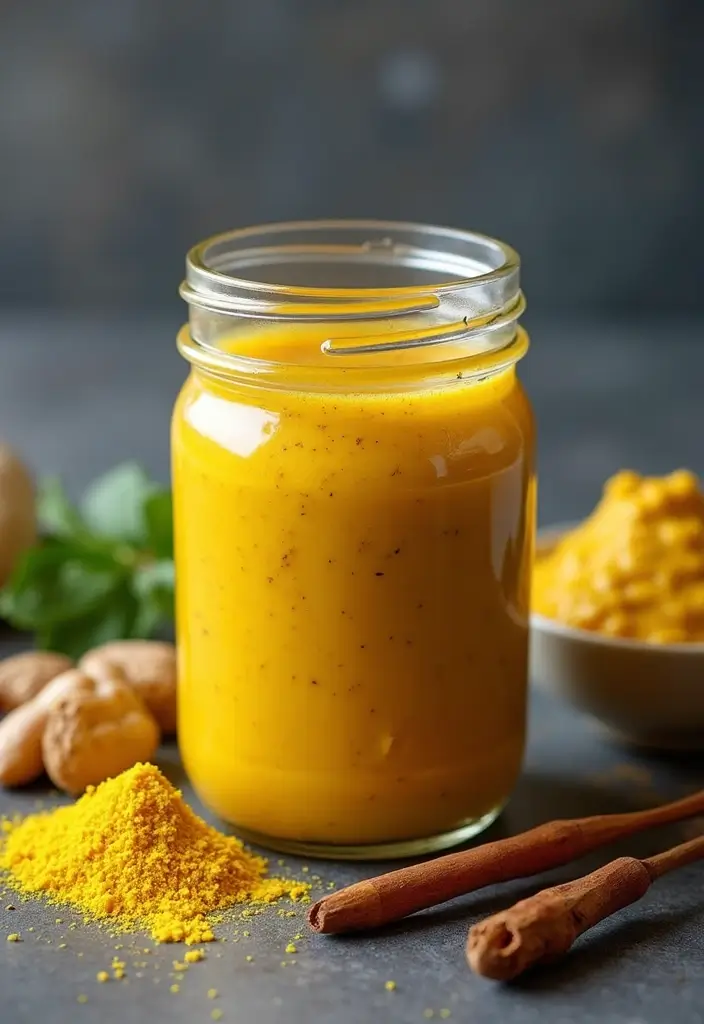
Fermented mustard is a zesty addition to your meals that packs a healthy punch! This condiment not only enhances the flavor of sandwiches and dressings but also provides probiotics through fermentation. By fermenting mustard seeds, you create a gut-friendly condiment that supports digestive health. It’s easy to make, and you can customize the flavor by adding herbs, spices, or honey for sweetness. Get ready to elevate your dishes with this tangy addition!
Recipe Overview:
– Servings: 8
– Prep Time: 10 mins
– Fermentation Time: 5-7 days
– Total Time: 7 days
– Calories: Approximately 5 per teaspoon.
Ingredients:
– 1/2 cup mustard seeds
– 1/2 cup apple cider vinegar
– 1/4 cup water
– 1 tablespoon sea salt
– Optional: spices or sweeteners to taste
Instructions:
1. In a bowl, combine mustard seeds, vinegar, water, and salt.
2. Let the mixture sit at room temperature for 2-3 days to soak.
3. Blend the mixture until smooth, adjusting with more water for the desired consistency.
4. Pour into a clean jar and let it ferment for another 5-7 days.
5. Once fermented, seal and store in the refrigerator.
FAQs:
How long does fermented mustard last?
Typically, 6 months in the refrigerator.
Fermented Mustard
Editor’s Choice

SavorSatch Yellow Mustard Seeds – 6 oz Resealable Pouch | Whole Indian M…
Amazon$5.99
100% Raw-unfiltered Organic Apple Cider Vinegar with “The Mother” 34 Oz …
Amazon$9.99
Amazon Grocery, Sea Salt, Fine Ground, 16 Oz (Previously Happy Belly, Pa…
Amazon$2.1418. Fermented Coconut Water

Fermented coconut water is a refreshing drink with probiotic benefits! This thirst-quenching beverage is made by fermenting the natural liquid from coconuts, resulting in a tangy flavor. Rich in electrolytes, fermented coconut water is not only hydrating but also aids digestion and replenishes gut health. Enjoy it on its own or mix it into smoothies for added health benefits!
Recipe Overview:
– Servings: 4
– Prep Time: 5 mins
– Fermentation Time: 1-2 days
– Total Time: 2 days
– Calories: Approximately 40 per serving.
Ingredients:
– 2 cups coconut water (fresh or bottled)
– 1 tablespoon sugar (optional)
– 1 tablespoon probiotic powder or 1/4 cup plain yogurt
Instructions:
1. In a jar, combine coconut water and sugar, stirring to dissolve.
2. Add probiotic powder or yogurt and mix well.
3. Cover with a cloth and let it sit at room temperature for 1-2 days.
4. Once fermented, refrigerate and enjoy!
FAQs:
Can I use flavored coconut water?
Yes, but check the ingredients for added sugars.
Fermented Coconut Water
Editor’s Choice
ZEBORA Probiotics for Women, Men and Kids, Prebiotics and Probiotics Pow…
Amazon$16.99
Vita Coco Coconut Water, Pure Organic | Refreshing Coconut Taste | Natur…
Amazon$20.99
Amazon Grocery, Low Fat Plain Yogurt, 32 Oz (Previously Amazon Fresh, Pa…
Amazon$2.6419. Fermented Chili Paste
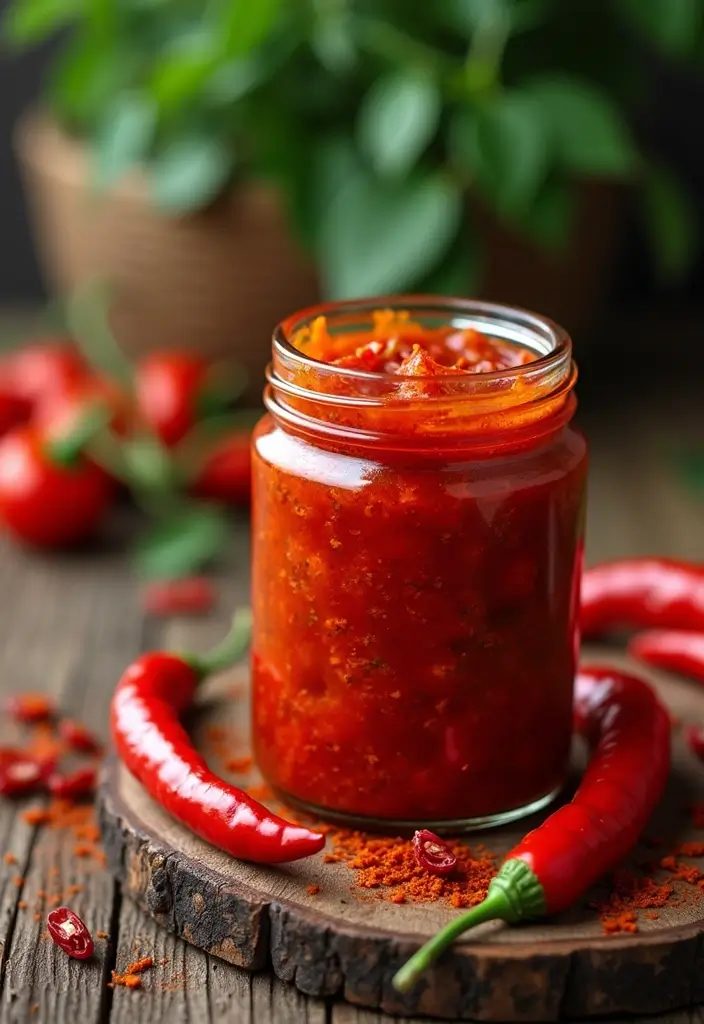
Spice up your dishes with a kick of fermented chili paste! This fiery condiment combines the heat of fresh chilies with the gut-health benefits of fermentation. It can enhance the flavor of stir-fries, spreads, or be used as a dip. Packed with probiotics, fermented chili paste supports digestion while adding delicious heat to your meals. The best part? You can adjust the spice level according to your taste!
Recipe Overview:
– Servings: 8
– Prep Time: 10 mins
– Fermentation Time: 1-2 weeks
– Total Time: 2 weeks
– Calories: Approximately 5 per tablespoon.
Ingredients:
– 10 fresh chilies (any variety)
– 1 tablespoon sea salt
– Water (enough to cover)
Instructions:
1. Remove stems from the chilies and blend them with salt and a small amount of water to create a paste.
2. Pack the mixture into a clean jar, pressing down to remove air bubbles.
3. Pour water over the mixture until submerged, adding a weight if necessary.
4. Cover with a cloth and let it ferment for 1-2 weeks, tasting until the desired flavor is achieved.
5. Once ready, seal and refrigerate.
FAQs:
Can I use dried chilies?
Yes, but the fermentation process may vary.
Fermented Chili Paste
Editor’s Choice

Masontops Complete Mason Jar Fermentation Kit – Pickle Kit, Sauerkraut M…
Amazon$54.95
Nature’s Bounty Acidophilus Probiotic, Daily Probiotic Supplement, Digestive…
Amazon$9.99
Premium Crushed Red Pepper Flakes Variety Pack – 10 Dried Chili Peppers …
Amazon$44.9920. Fermented Green Chutney
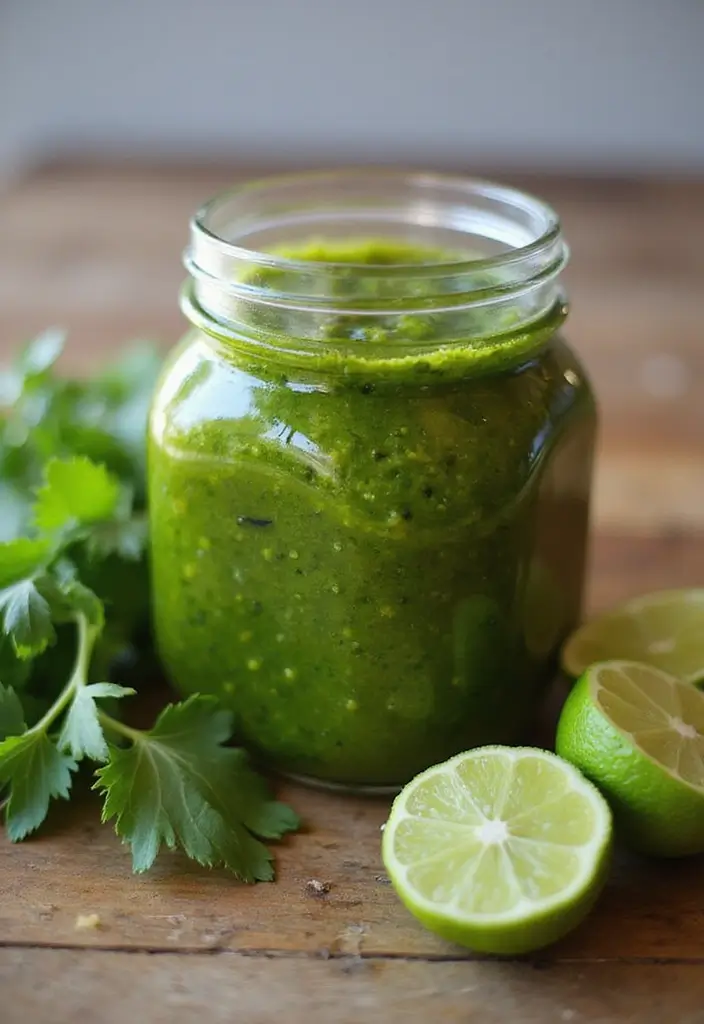
Fermented green chutney is a bright, herby condiment that can elevate your dishes while supporting gut health! Made from fresh herbs like cilantro and mint, it packs a probiotic punch while adding a refreshing flavor. Pair it with grilled meats, spreads, or use it as a dip. The fermentation process enhances the flavors and provides digestive benefits, making it a must-have in your kitchen!
Recipe Overview:
– Servings: 8
– Prep Time: 10 mins
– Fermentation Time: 2-3 days
– Total Time: 3 days
– Calories: Approximately 20 per tablespoon.
Ingredients:
– 1 cup fresh cilantro
– 1/2 cup fresh mint
– 2 green chilies (or to taste)
– 1 tablespoon sea salt
– Juice of 1 lime
– Water (enough to cover)
Instructions:
1. Blend all ingredients until smooth, adding water as needed for consistency.
2. Pack into a clean jar, pressing down to remove air bubbles.
3. Cover with a cloth and let ferment at room temperature for 2-3 days.
4. Once fermented, seal and store in the refrigerator.
FAQs:
How long does fermented chutney last?
About 1-2 weeks in the refrigerator.
Fermented Green Chutney
Editor’s Choice
Masontops Complete Mason Jar Fermentation Kit – Easy Small/Regular Mouth…
Amazon$49.99
Nature’s Bounty Acidophilus Probiotic, Daily Probiotic Supplement, Digestive…
Amazon$9.99
Vtopmart 78oz Glass Food Storage Jars with Airtight Clamp Lids, 3 Pack L…
Amazon$24.6421. Fermented Apple Cider
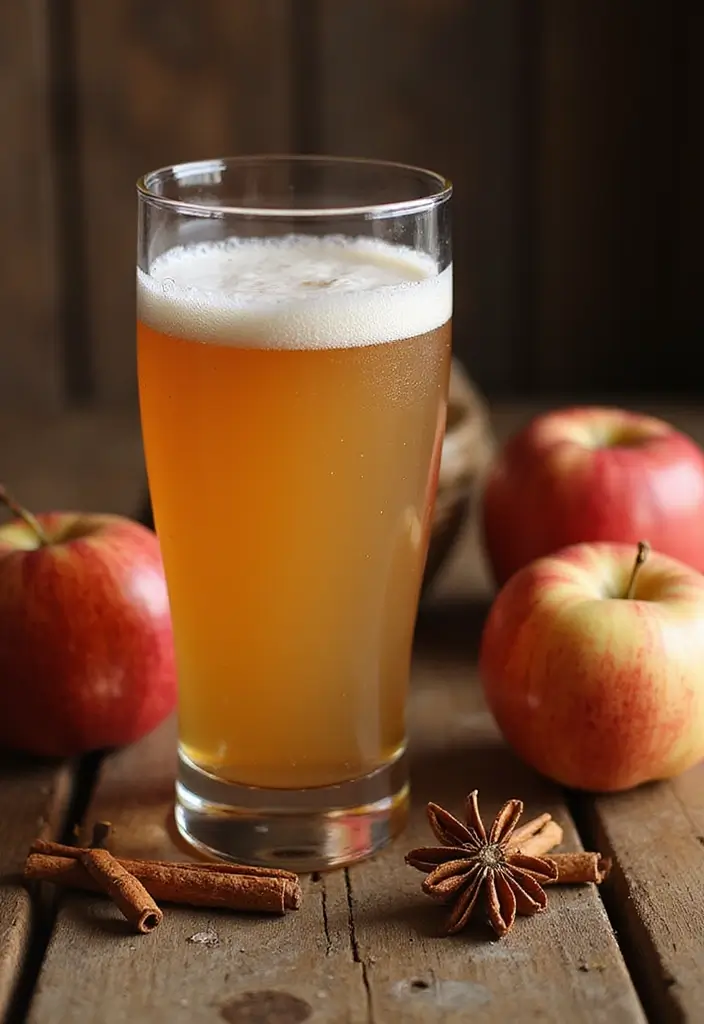
Fermented apple cider is a delicious way to enjoy a probiotic-rich drink! This sweet and tangy beverage is perfect for sipping or using in recipes. The fermentation process creates beneficial bacteria, enhancing their health benefits. Fermented apple cider can support digestion while offering a refreshing alternative to sugary drinks. You can even use it in salad dressings or marinades for a unique flavor!
Recipe Overview:
– Servings: 8
– Prep Time: 10 mins
– Fermentation Time: 1-2 weeks
– Total Time: 2 weeks
– Calories: Approximately 50 per serving.
Ingredients:
– 4 cups fresh apple juice
– 1/4 cup sugar
– 1 tablespoon apple cider vinegar (as a starter)
Instructions:
1. In a jar, mix apple juice, sugar, and apple cider vinegar.
2. Cover with a cloth and secure it.
3. Let it ferment at room temperature for 1-2 weeks, tasting periodically.
4. Once ready to your liking, refrigerate and enjoy!
FAQs:
Can I use store-bought apple juice?
Yes, but ensure it’s 100% juice, with no additives.
Fermented Apple Cider
Editor’s Choice

Craft A Brew – Hard Cider Kit – Beer Making Kit – Make Your Own Craft Be…
Amazon$49.95
Nature’s Bounty Acidophilus Probiotic, Daily Probiotic Supplement, Digestives…
Amazon$9.99
2 Pack 1 Gallon Large Fermentation Jars with 3 Airlocks and 2 SCREW Lids…
Amazon$29.9922. Fermented Rice
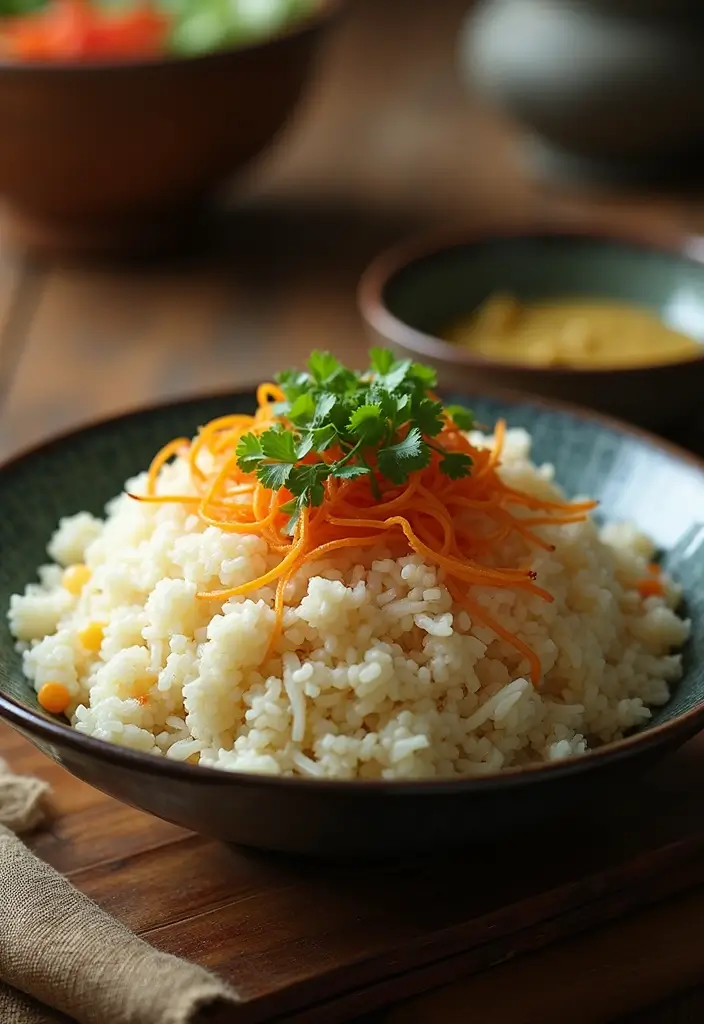
Fermented rice is a traditional dish that offers gut health benefits while being incredibly versatile! Commonly used in Asian cuisines, fermentation enhances the flavor and nutritional profile of rice. This makes it not just a side dish but a health booster. You can use it in various meals, from porridge to savory rice bowls. It’s an easy way to incorporate probiotics into your daily diet!
Recipe Overview:
– Servings: 4
– Prep Time: 10 mins
– Fermentation Time: 1-3 days
– Total Time: 3 days
– Calories: Approximately 150 per serving.
Ingredients:
– 1 cup rice (any type)
– 2 cups water
– 1 tablespoon salt
– Optional: spices or herbs for flavor
Instructions:
1. Rinse the rice and soak it in water with salt for 1-3 days.
2. Drain and rinse thoroughly.
3. Cook rice as usual and allow it to cool.
4. Store in the refrigerator for up to a week for the best flavor.
FAQs:
Is fermented rice safe to eat?
Yes, it’s a common practice in many cultures.
Fermented Rice
Editor’s Choice
Fermentation Kit for Wide-Mouth Mason fermentation Jar, pickling/sauerkraut…
Amazon$27.99
Nature’s Bounty Acidophilus Probiotic, Daily Probiotic Supplement, Digestive…
Amazon$9.9923. Fermented Oats
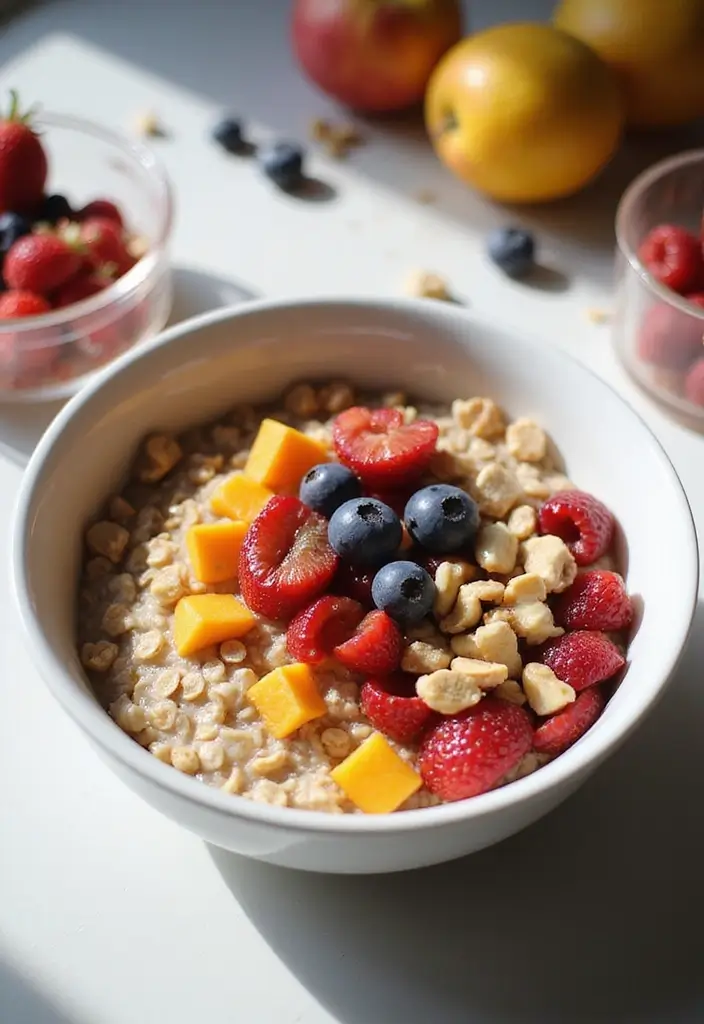
Start your day right with fermented oats for a gut-friendly breakfast! This nutritious meal is easy to prepare. Soaking oats overnight with yogurt or kefir allows them to ferment, improving digestibility and nutrient absorption. Enjoy them warm or cold, topped with fruits and nuts for a delicious breakfast. Fermented oats are a quick and tasty way to kickstart your healthy gut diet!
Recipe Overview:
– Servings: 2
– Prep Time: 5 mins
– Fermentation Time: Overnight
– Total Time: 1 day
– Calories: Approximately 200 per serving.
Ingredients:
– 1 cup oats
– 1 cup yogurt or kefir
– 1 tablespoon maple syrup (optional)
– 1/2 cup water (adjust for creaminess)
Instructions:
1. In a bowl, mix oats, yogurt, and water.
2. Cover and let it sit overnight at room temperature.
3. In the morning, stir and adjust water if necessary.
4. Serve with fruits, nuts, or sweeteners.
FAQs:
Can I use gluten-free oats?
Yes, ensure they are certified gluten-free.
Fermented Oats
Editor’s Choice

Gerbs Gluten-Free Traditional Rolled Oats 2 lbs. | Premium Grade, Reseal…
Amazon$20.99
Amazon Grocery, Whole Milk Plain Yogurt, 32 Oz (Previously Amazon Fresh,…
Amazon$2.49
Butternut Mountain Farm Pure Vermont Maple Syrup, Grade A, Dark Color, R…
Amazon$17.9724. Fermented Barbecue Sauce
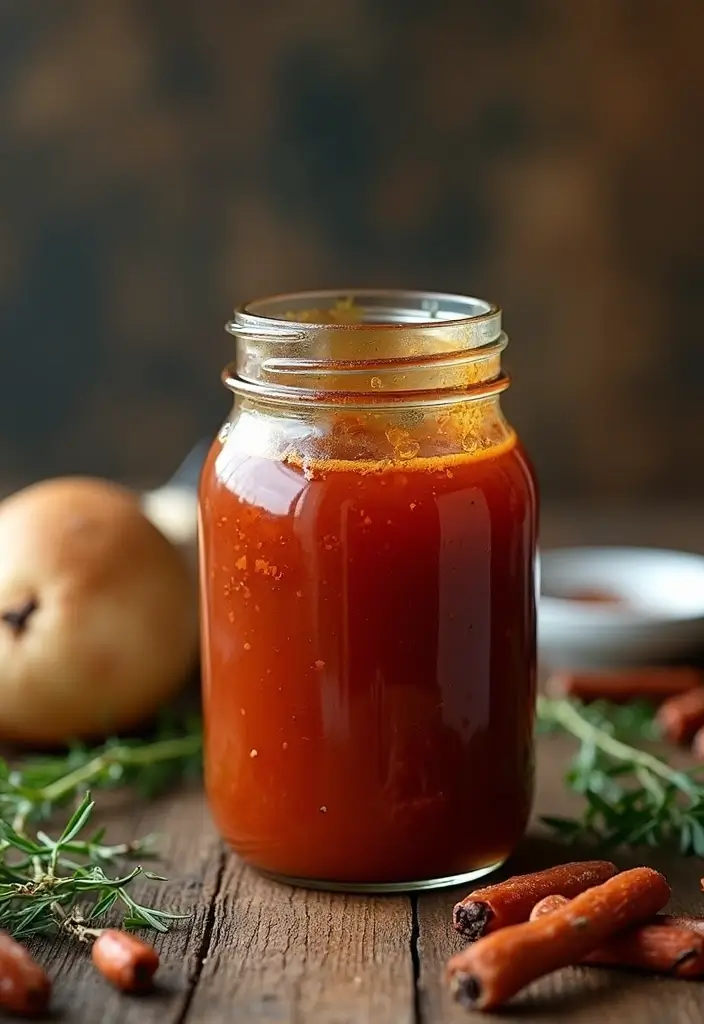
Add a flavorful twist to your meals with fermented barbecue sauce! This tangy condiment not only packs a delicious kick but is also loaded with probiotics. Homemade fermented barbecue sauce lets you customize the ingredients while boosting your digestive health. Use it for grilling, dipping, or as a marinade—it’s a versatile addition to any meal!
Recipe Overview:
– Servings: 8
– Prep Time: 10 mins
– Fermentation Time: 3-7 days
– Total Time: 7 days
– Calories: Approximately 30 per tablespoon.
Ingredients:
– 1 cup ketchup (preferably low-sugar)
– 1 tablespoon apple cider vinegar
– 1 tablespoon sea salt
– Optional: spices or herbs for flavor
Instructions:
1. In a bowl, mix all ingredients until well combined.
2. Transfer to a jar and seal with a lid.
3. Let it sit at room temperature for 3-7 days, tasting along the way.
4. Once fermented, store in the refrigerator.
FAQs:
How long will fermented barbecue sauce last?
About 2-3 weeks in the fridge.
Fermented Barbecue Sauce
Editor’s Choice
Masontops Complete Mason Jar Fermentation Kit – Pickle Kit, Sauerkraut M…
Amazon$54.95
Bragg USDA Organic Raw Apple Cider Vinegar, With The Mother 16 Ounces Na…
Amazon$8.79
Heinz Tomato Ketchup with No Sugar Added, 13 oz Bottle
Amazon$2.9625. Fermented Citrus

Fermented citrus fruits like lemons and limes can brighten up your meals! The fermentation process enhances their flavor and boosts health benefits. Fermented citrus adds a tangy, flavorful touch to dressings, marinades, and beverages. It not only aids digestion but also adds a refreshing brightness to any dish. Incorporate fermented citrus into your meals for a fun, easy way to boost your probiotics!
Recipe Overview:
– Servings: 8
– Prep Time: 10 mins
– Fermentation Time: 3-5 days
– Total Time: 5 days
– Calories: Approximately 10 per serving.
Ingredients:
– 4 lemons or limes, quartered
– 1 tablespoon sea salt
– Water (enough to cover)
Instructions:
1. In a jar, pack the quartered lemons or limes tightly.
2. Dissolve salt in water and pour over the citrus, ensuring they are submerged.
3. Cover with a cloth and secure it.
4. Let it ferment at room temperature for 3-5 days, tasting until the desired flavor is achieved.
5. Once ready, seal and store in the refrigerator.
FAQs:
How long will fermented citrus last?
Approximately 1-2 months in the fridge.
Fermented Citrus
Editor’s Choice
Masontops Complete Mason Jar Fermentation Kit – Easy Small/Regular Mouth…
Amazon$49.99
Amazon Grocery, Sea Salt, Fine Ground, 16 Oz (Previously Happy Belly, Pa…
Amazon$2.14
4-Pack of Fermentation Glass Weights with Easy-Grip Handle for Wide Mouth…
Amazon$14.99Conclusion
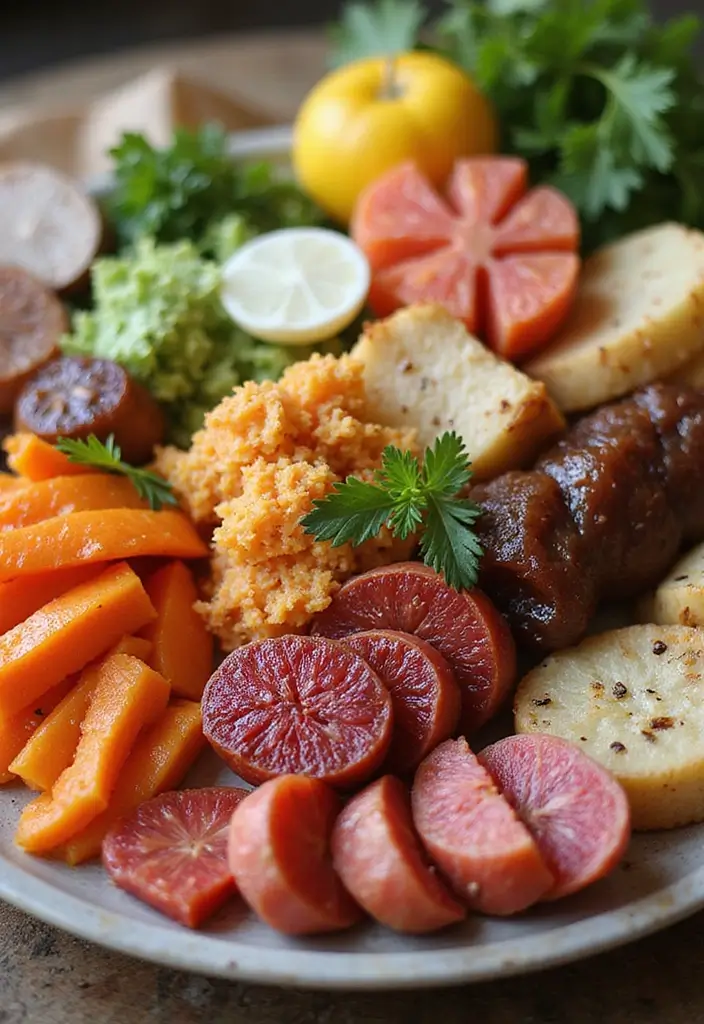
Incorporating gluten-free fermented foods into your diet can transform your digestive health while tantalizing your taste buds.
With options ranging from spicy kimchi to creamy coconut yogurt, these foods not only provide probiotics but also enhance flavors in your meals. As you explore the world of fermentation, remember that it’s all about experimenting and finding what suits your palate best. Embrace these delicious gluten-free options and watch your gut thrive!
Note: We aim to provide accurate product links, but some may occasionally expire or become unavailable. If this happens, please search for the product directly on Amazon or a suitable alternative.
This post contains Amazon affiliate links, meaning we may earn a small commission if you purchase through our links, at no extra cost to you.
Frequently Asked Questions
What Are Some Great Gluten-Free Foods That Improve Digestion?
You’ll be delighted to know that there are plenty of gluten-free foods that can help improve digestion! Think of options like fermented foods, such as kimchi and sauerkraut, which are packed with probiotics that promote a healthy gut.
Additionally, consider incorporating foods like quinoa, sweet potatoes, and avocados into your meals. These are not only gluten-free but also rich in fiber, aiding in smooth digestion and overall gut health.
How Can I Include More Gluten-Free Fermented Foods in My Diet?
Including more gluten-free fermented foods in your diet is easier than you think! Start by exploring gluten-free recipes that incorporate these foods, like adding miso to soups or using coconut yogurt as a base for smoothies.
You can also snack on gluten-free options, such as kimchi or pickles, between meals. Just remember to check the labels to ensure they are certified gluten-free!
What Are the Benefits of Probiotics for Digestion?
Probiotics are fantastic for digestion! These friendly bacteria help balance your gut microbiome, supporting improved digestive health and nutrient absorption.
Incorporating probiotics for digestive health can also help alleviate symptoms such as bloating and gas. Foods like kefir, kombucha, and gluten-free yogurt are excellent sources of probiotics that can easily fit into a healthy gut diet.
Are There Any Gluten-Free Snacks That Support Digestive Health?
Absolutely! Many delicious and nutritious gluten-free snacks support digestive health. Consider snacking on raw veggies with hummus, a handful of nuts, or a bowl of gluten-free oatmeal topped with fresh fruit.
These snacks not only keep you full but also provide fiber and nutrients that promote a healthy digestive system.
What Should I Look for in Gluten-Free Products for Digestive Health?
When shopping for gluten-free products, it’s essential to check for added ingredients that may not be gut-friendly. Look for items high in fiber and free of artificial additives.
Opt for products that contain whole ingredients, probiotics, and are low in sugars. This way, you can enjoy your gluten-free foods while also supporting your digestive health!
Related Topics
gluten free
fermented foods
digestive health
probiotics
healthy gut diet
gluten-free snacks
easy recipes
meal prep
gut-friendly foods
nutrition tips
food for digestion
gluten-free lifestyle