27 Gluten-Free Gut-Healing Foods to Try
Are you looking for tasty ways to support your gut health while sticking to a gluten-free lifestyle? You’re not alone. Many people are on the hunt for delicious foods that don’t just fit their dietary needs but also nurture their digestive well-being. That’s why I put together this list of 27 gluten-free gut-healing foods for you to try.
If you’re someone who cares about what goes into your body and wants to make informed choices about your meals, this post is for you. Whether you’re navigating food allergies or want to embrace healthier eating habits, these foods will give your gut the support it deserves. From fermented goodies to nutrient-packed staples, you’ll discover options that are as delightful to eat as they are beneficial for your digestive health.
What can you expect from this collection? Each food on this list not only meets the gluten-free criteria but also brings unique gut-healing benefits. You’ll find practical tips on how to incorporate these foods into your meals and snacks, along with some easy gluten-free recipes to inspire your culinary adventures. So, let’s dive into this flavorful journey towards better gut health together!
Key Takeaways
- Explore 27 gluten-free foods that promote gut health, like sauerkraut and kombucha, rich in probiotics.
- Discover how fermented foods can improve digestion and enhance nutrient absorption.
- Learn about the benefits of adding gluten-free grains like quinoa and oats to a balanced diet.
- Get creative with recipes featuring gut-friendly ingredients like avocado and sweet potatoes.
- Understand the importance of dietary variety to support overall digestive health.
1. Sauerkraut
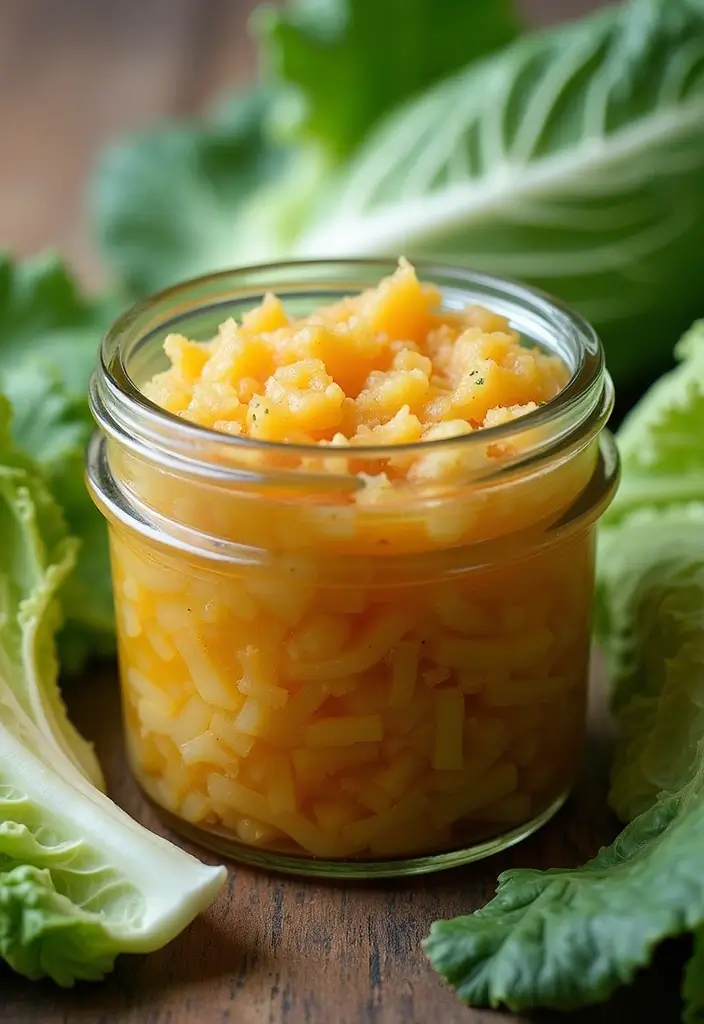
Sauerkraut is more than just a tangy condiment; it’s a gut health superstar! This fermented cabbage is loaded with probiotics, which are essential for a happy digestive system. The fermentation process not only boosts the nutrient content but also makes vitamins like C and K easier for your body to absorb. You can enjoy it on a gluten-free sandwich or straight from the jar for a tasty snack.
When making sauerkraut at home, you can easily control the flavor and fermentation level. It’s a simple and rewarding process that can enhance your meals.
Try adding it to salads or as a side dish to elevate your meals with probiotics!
Ingredients:
- 1 medium green cabbage
- 1 tablespoon sea salt
Instructions:
1. Shred the cabbage finely and place it in a large bowl.
2. Sprinkle salt over the cabbage and massage it with your hands until it releases moisture.
3. Pack the cabbage tightly into a clean glass jar, pressing down to remove air bubbles.
4. Leave an inch of space at the top and seal the jar lightly.
5. Let it sit at room temperature for 1-4 weeks, tasting occasionally.
– Use non-iodized salt for better fermentation results.
FAQs:
Q. How do I know when it’s ready?
A. Taste it! When it’s tangy enough for you, it’s done.
Q. Can I add spices?
A. Absolutely! Caraway seeds or garlic can give it a unique flavor.
Sauerkraut
Editor’s Choice

Masontops Complete Mason Jar Fermentation Kit – Pickle Kit, Sauerkraut M…
 Amazon$54.95
4-Pack of Fermentation Glass Weights with Easy-Grip Handle for Wide Mouth…
Amazon$14.99
Amazon Grocery, Sea Salt, Fine Ground, 16 Oz (Previously Happy Belly, Pa…
Amazon$2.142. Kimchi
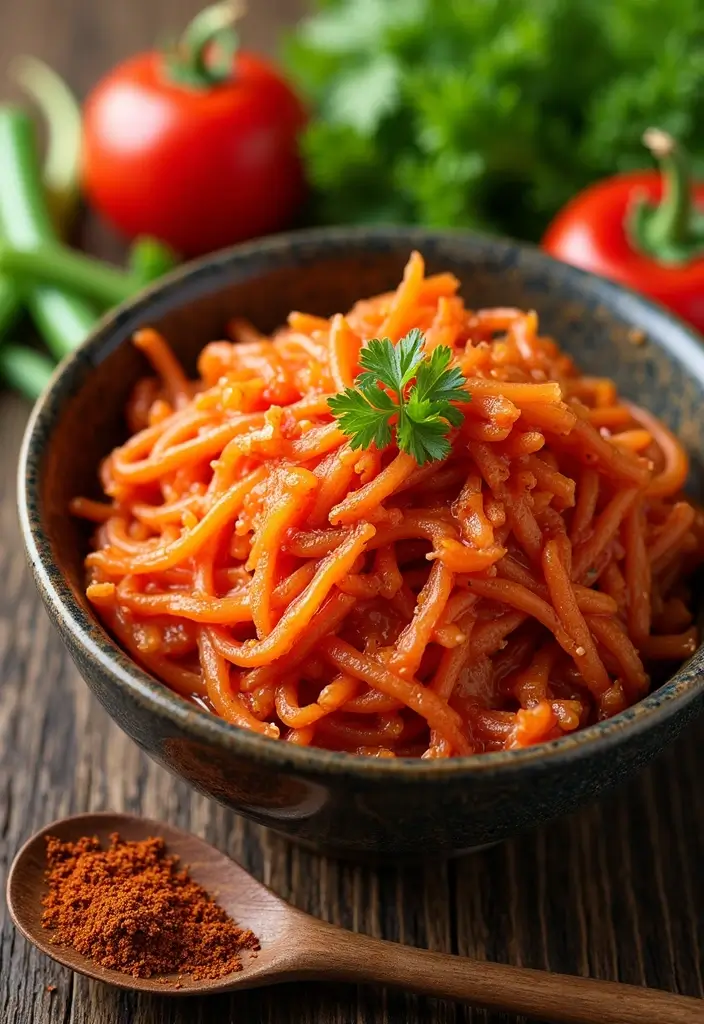
Kimchi is the vibrant and spicy relative of sauerkraut. This Korean staple is made from seasoned vegetables and spices that create a symphony of flavors. Not only is it delicious, but it’s also packed with probiotics and vitamins that can help reduce inflammation and may even support your metabolism. By incorporating kimchi into your meals, you can add a kick while boosting gut health.
It’s perfect in rice bowls, as a side dish, or even in tacos for a twist on traditional flavors. Making kimchi at home allows you to customize the spice level to your preference.
Ingredients:
- 1 medium Napa cabbage
- 1 cup radish, julienned
- 2 green onions, chopped
- 4 cloves garlic, minced
- 1 tablespoon ginger, grated
- 5 tablespoons Korean chili powder
- 3 tablespoons fish sauce (or soy sauce for a vegan option)
Instructions:
1. Cut the cabbage into quarters and remove the core.
2. Mix the cabbage with salt in a large bowl and let it sit for 2 hours.
3. Rinse and drain the cabbage thoroughly.
4. Combine garlic, ginger, chili powder, and fish sauce to make a paste.
5. Mix the paste with cabbage, radish, and green onions.
6. Pack tightly into a jar and let ferment at room temperature for 1-5 days.
– Adjust the spice level by modifying the chili powder.
FAQs:
Can I use other vegetables?
Yes, carrots and cucumbers work well too!
Kimchi
Editor’s Choice

Masontops Complete Mason Jar Fermentation Kit – Easy Small/Regular Mouth…
Amazon$49.99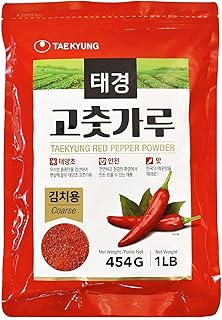
NONGSHIM TAEKYUNG Korean Chili Powder, Gochugaru Chili Flakes. Kimchi Po…
Amazon$12.95
4-Pack of Fermentation Glass Weights with Easy-Grip Handle for Wide Mouth…
Amazon$14.993. Kombucha

Kombucha is a fizzy, refreshing drink that’s as good for your health as it is delicious! This sparkling beverage is made from sweetened tea that ferments with a SCOBY (symbiotic culture of bacteria and yeast). Packed with probiotics, kombucha can aid digestion, lift your mood, and boost your immune system. Making your own kombucha is an enjoyable and rewarding process that offers endless flavor possibilities.
It’s perfect for sipping on a hot day or using in mocktails. You can even experiment with different fruits and herbs during the second fermentation for unique flavors.
Ingredients:
- 4 cups water
- 4 tea bags (black or green)
- 1 cup sugar
- 1 cup starter kombucha
- 1 SCOBY
Instructions:
1. Boil the water and steep the tea bags for 10 minutes.
2. Stir in sugar until it dissolves and let it cool.
3. In a glass jar, combine sweetened tea and starter kombucha.
4. Add the SCOBY on top and cover with a clean cloth.
5. Allow it to ferment for 7-14 days, tasting periodically.
– Experiment with flavors by adding fruits or herbs.
FAQs:
How do I know when it’s done?
Taste it! It should be tangy and slightly sweet.
Kombucha
Editor’s Choice

The Kombucha Shop Organic Kombucha Starter Kit – 1 Gallon Brewing Kit In…
Amazon$54.99
Fermentaholics ORGANIC Kombucha SCOBY With Twelve Ounces of Starter Tea …
Amazon$13.89
JILLMO Fermentation Jar, 1.5 Liter Glass Fermenting Jar with Fermenting …
Amazon$34.994. Fermented Pickles
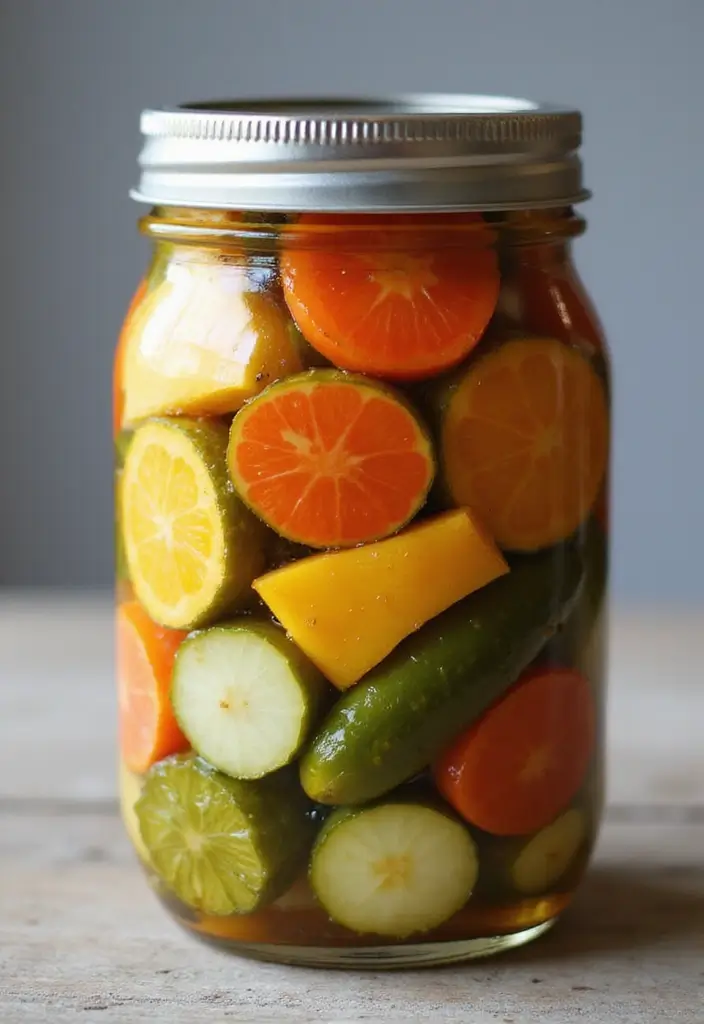
Fermented pickles are a crunchy, zesty delight that adds a probiotic boost to your snacks! Unlike regular pickles made with vinegar, these pickles go through natural fermentation, which nurtures beneficial bacteria. They not only add a tangy flavor but also support gut health and digestion. Making your own fermented pickles is simple and lets you customize the flavors to your liking.
Enjoy them as a snack or add them to sandwiches for an extra crunch. You can even experiment with different spices and vegetables for unique variations.
Ingredients:
- 4 medium cucumbers
- 1 tablespoon sea salt
- 4 cups water
- 3 cloves garlic, minced
- 1 tablespoon dill seeds
Instructions:
1. In a large bowl, dissolve salt in water to create a brine.
2. Add garlic and dill seeds.
3. Pack cucumbers into a jar and pour the brine over them.
4. Cover loosely and let them sit at room temperature for 1-4 weeks.
5. Taste regularly until they reach your desired sourness.
– Keep cucumbers submerged under the brine to prevent mold.
FAQs:
Can I use other vegetables?
Yes, carrots and green beans work well too!
Fermented Pickles
Editor’s Choice
Masontops Complete Mason Jar Fermentation Kit – Easy Small/Regular Mouth…
Amazon$49.99
Amazon Grocery, Sea Salt, Fine Ground, 16 Oz (Previously Happy Belly, Pa…
Amazon$2.14
4-Pack of Fermentation Glass Weights with Easy-Grip Handle for Wide Mouth…
Amazon$14.995. Miso
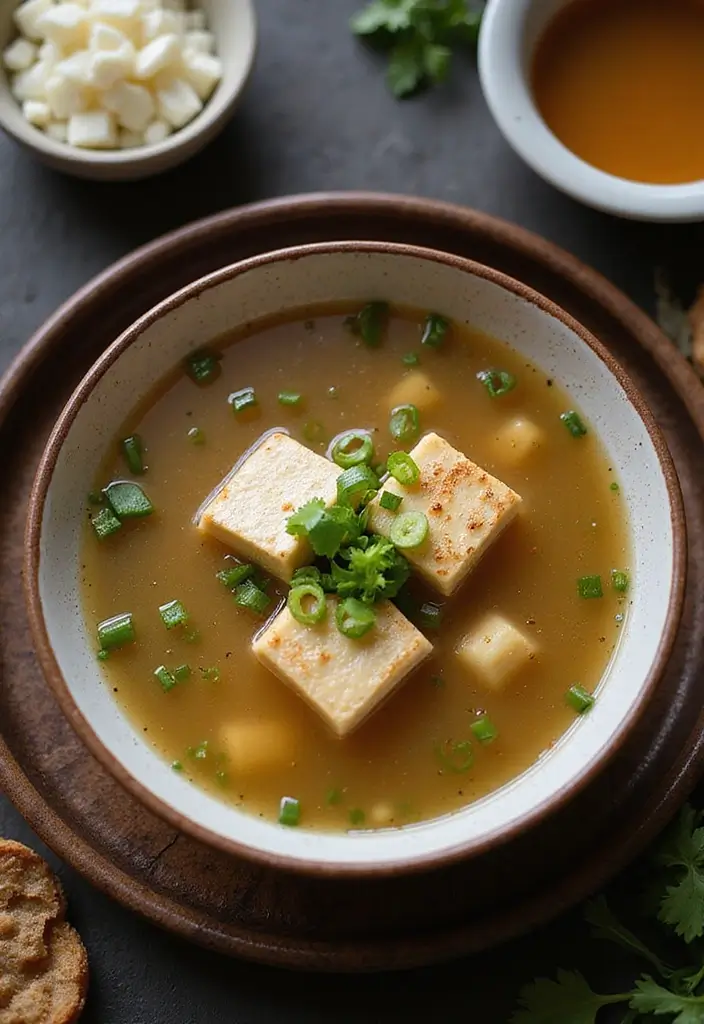
Miso is a flavorful Japanese paste made from fermented soybeans that adds a savory umami taste to your dishes. Not only does it enhance soups and dressings, but it’s also rich in probiotics that support gut health. It contains antioxidants and vitamins, making it a nutritious addition to your meals. Miso is easy to incorporate into various recipes, giving them depth and flavor.
Try using it in marinades or as a base for sauces to elevate your cooking. You can also enjoy miso soup as a comforting snack any time of the day.
Ingredients:
- 1/4 cup miso paste
- 4 cups vegetable broth
- 1 block tofu, cubed
- 2 green onions, sliced
Instructions:
1. In a pot, bring vegetable broth to a simmer.
2. Mix miso with a bit of broth in a bowl until smooth.
3. Add the miso mixture to the pot and stir.
4. Add tofu and green onions, cooking gently for 5 minutes.
5. Serve warm and enjoy!
– Avoid boiling miso to keep its probiotics intact.
FAQs:
Can I use different types of miso?
Yes! Each type offers unique flavors and nutritional profiles.
Fun fact: just 1 tablespoon of miso delivers probiotics that support gut health. Stir it into soups or dressings for a gluten-free, savory boost—your gut and taste buds will thank you for the extra umami.
Miso
Editor’s Choice

Marukome Organic Broth, Reduced Sodium Miso Paste, 13.2 OZ
Amazon$9.99
Nature’s Bounty Acidophilus Probiotic, Daily Probiotic Supplement, Digestive…
Amazon$9.99
FERMALIFE USDA Organic Fermented Soy Nutritional Beverage – Mix, 5.6oz, …
Amazon$19.996. Tempeh

Tempeh is a fermented soybean product that’s a fantastic meat alternative packed with probiotics. It’s rich in protein and fiber, making it a satisfying addition to salads and stir-fries. The fermentation process enhances nutrient absorption, making tempeh a superfood for gut health. It’s also easy to cook and can take on various flavors, making it versatile in many dishes.
Try marinating tempeh before cooking to amplify its flavor! You can also grill it for added texture and taste.
Ingredients:
- 1 block tempeh, sliced
- 2 tablespoons soy sauce (or coconut aminos)
- 1 tablespoon olive oil
- 1 teaspoon garlic powder
Instructions:
1. Marinate tempeh slices in soy sauce for 10 minutes.
2. Heat olive oil in a skillet over medium heat.
3. Cook tempeh for 3-4 minutes on each side until golden brown.
4. Sprinkle garlic powder before serving.
5. Add to salads or enjoy as a protein-rich snack!
– Steam tempeh before cooking to improve its texture.
FAQs:
Can I grill tempeh?
Absolutely! It’s delicious on the grill, especially with a marinade.
Tempeh
Editor’s Choice


Bragg Organic Coconut Aminos – 16oz, Soy-Free Alternative, Gluten-Free, …
Amazon$9.99
Amazon Grocery, Garlic Powder, 24 Oz (Previously Happy Belly, Packaging …
Amazon$8.007. Kefir
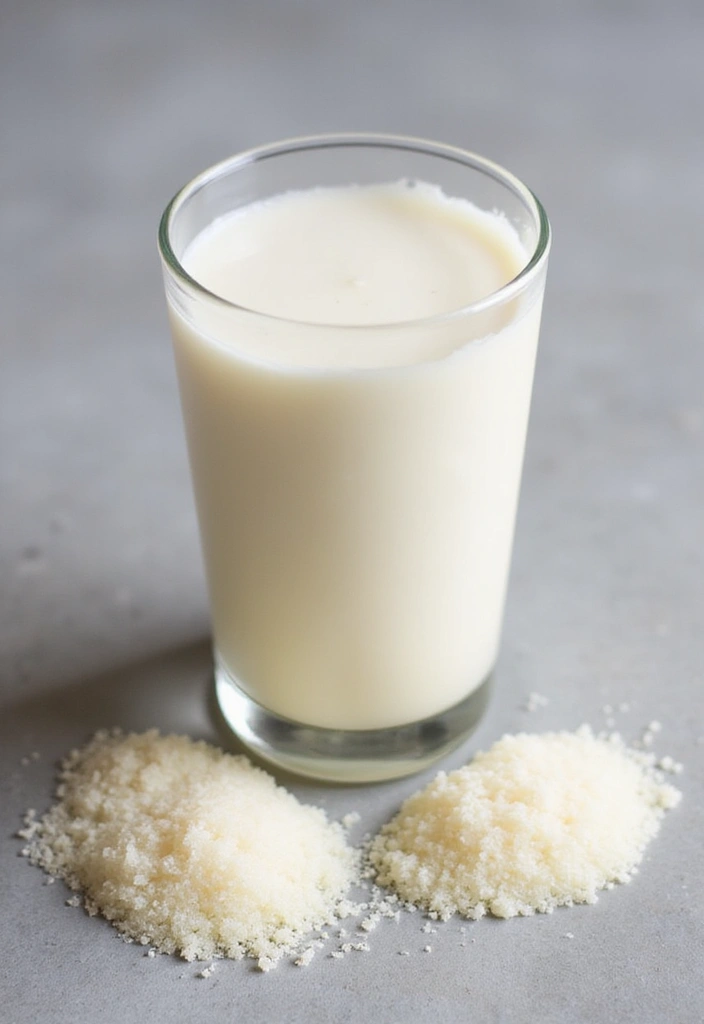
Kefir is a tangy, fermented dairy drink that’s even richer in probiotics than yogurt. With a thinner consistency, it can be enjoyed on its own or added to smoothies and salad dressings. The balance of beneficial bacteria in kefir supports gut health and enhances nutrient absorption, making it a great addition to your diet. Making your own kefir is straightforward and can be a fun project.
Try using it as a base for smoothies or enjoy it with fruits for a quick snack. It’s a delicious way to incorporate more probiotics into your meals.
Ingredients:
- 2 cups milk (or dairy-free alternative)
- 2 tablespoons kefir grains
Instructions:
1. Combine milk and kefir grains in a glass jar.
2. Cover loosely and let ferment at room temperature for 24 hours.
3. Strain kefir into a bottle, discarding the grains.
4. Store in the refrigerator and enjoy!
– Use glass containers for fermentation to avoid plastic contamination.
FAQs:
Is there a dairy-free option?
Yes! Use coconut milk or almond milk to make vegan kefir.
Kefir
Editor’s Choice

1 TBSP Milk Kefir Grains and eBook “Milk Kefir Unleashed by Thomas Egber…
Amazon$15.99
2 Pack 1 Gallon Large Fermentation Jars with 3 Airlocks and 2 SCREW Lids…
Amazon$29.99
Thai Kitchen Gluten Free Unsweetened Coconut Milk, 13.66 fl oz (Pack of 12)
Amazon$18.968. Bone Broth
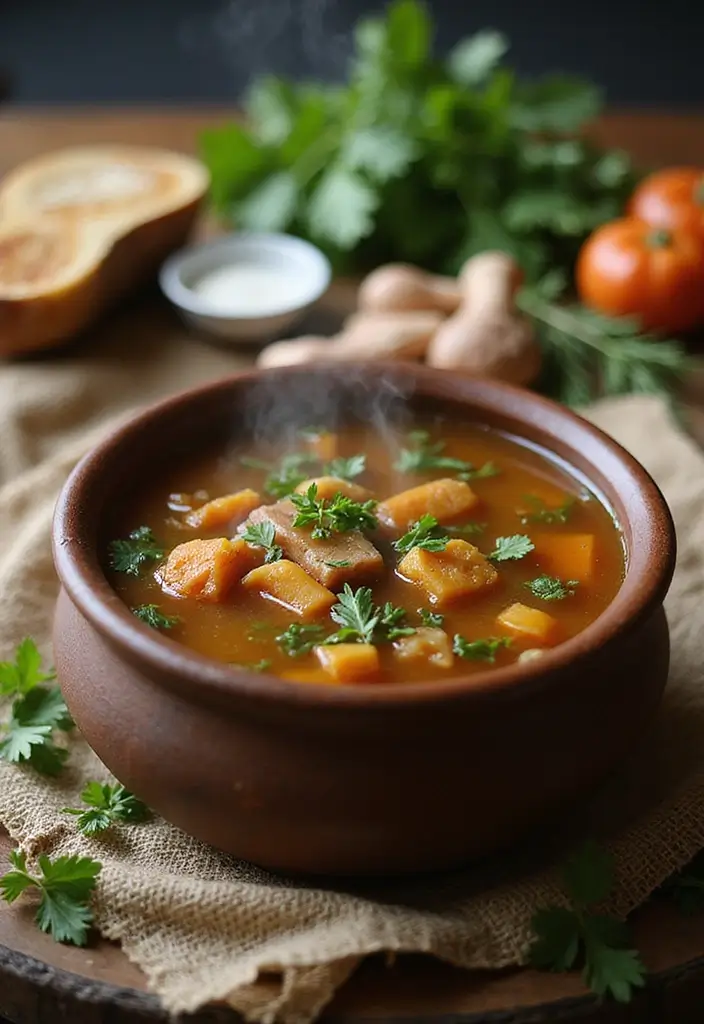
Bone broth is a nourishing elixir made by simmering bones and connective tissues, resulting in a rich source of collagen, amino acids, and minerals. It’s fantastic for gut health, promoting digestion and reducing inflammation. Whether sipped warm or used as a base for soups, this hearty broth is comforting and nutritious. Making your own bone broth at home is straightforward and rewarding.
Try incorporating it into your cooking for added flavor and health benefits. You can also sip it as a warm drink for a nourishing boost.
Ingredients:
- 2 pounds bones (beef, chicken, or turkey)
- 1 onion, quartered
- 2 carrots, chopped
- 2 stalks of celery, chopped
- 2 tablespoons apple cider vinegar
- Water to cover
Instructions:
1. Place bones in a large pot and cover with water.
2. Add vegetables and vinegar, bringing to a boil.
3. Reduce to a simmer and cook for 12 hours, adding water as needed.
4. Strain and enjoy warm or store in jars for later use.
– You can freeze bone broth in ice cubes for easy use later.
FAQs:
Can I add herbs?
Yes! Fresh herbs can enhance the flavor and nutrition.
Did you know simmering bones for 12–24 hours releases gelatin and minerals that support gut health? A warm cup of bone broth provides collagen and amino acids to nurture your gut lining—gluten-free comfort you can sip daily.
Bone Broth
Editor’s Choice

Bare Bones Beef Bone Broth Instant Powdered Mix | Rich Savory Packets on…
Amazon$25.93
Bare Bones Chicken Bone Broth Instant Powdered Mix | Rich Savory Packets…
Amazon$19.949. Gluten-Free Oats
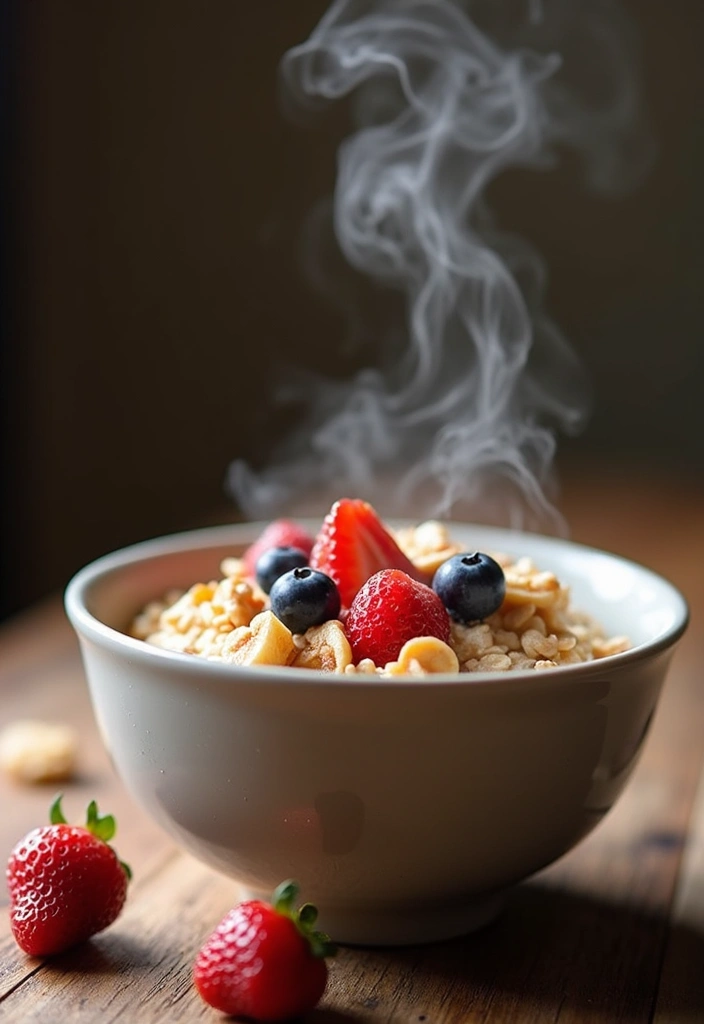
Gluten-free oats are a warm and filling breakfast option that’s packed with fiber, promoting healthy digestion. They are versatile and can be made into oatmeal, energy bars, or blended into smoothies. Oats are a great way to start your day and keep you full. You can easily customize them with your favorite toppings for added flavor and nutrition.
Enjoy them as a hearty breakfast or snack, and feel good knowing they support gut health.
Ingredients:
- 1 cup gluten-free oats
- 2 cups water or milk
- Toppings (fruits, nuts, honey)
Instructions:
1. In a saucepan, bring water or milk to a boil.
2. Add oats and cook for 5-10 minutes, stirring occasionally.
3. Top with your favorite fruits, nuts, or sweeteners.
– Soak oats overnight for an even creamier texture.
FAQs:
Are all oats gluten-free?
No, make sure to buy certified gluten-free oats to avoid cross-contamination.
Gluten-Free Oats
Editor’s Choice

Bob’s Red Mill Gluten Free Old Fashioned Rolled Oats, 32oz (Pack of 4) -…
Amazon$23.92

Purely Elizabeth, Organic Original, Ancient Grain Granola, Gluten-Free, …
Amazon$5.9910. Quinoa
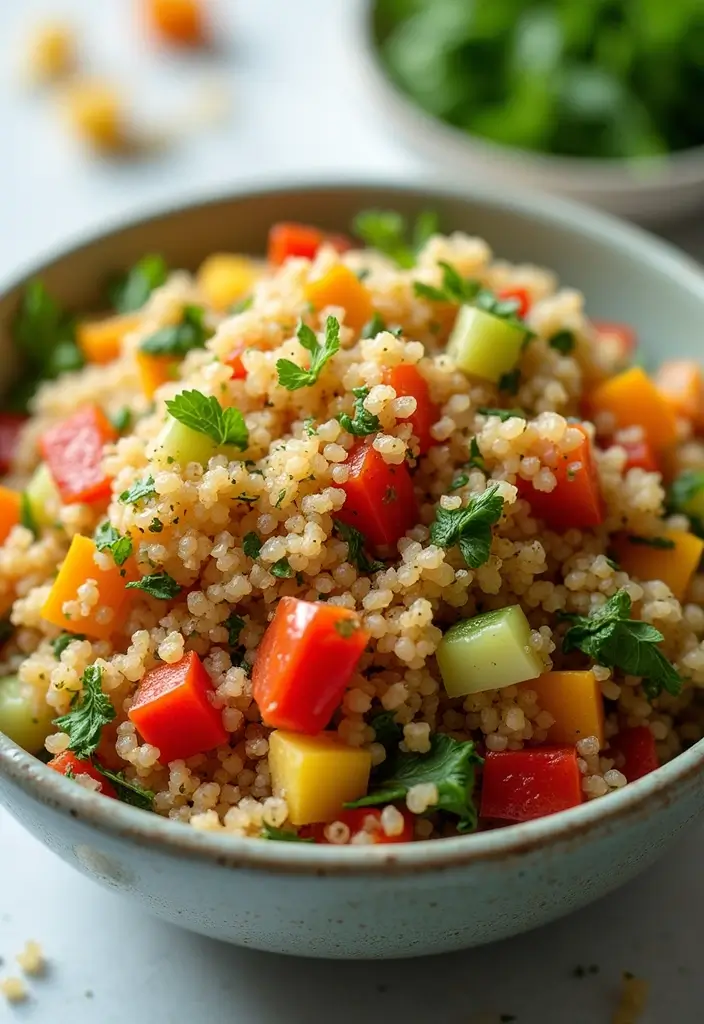
Quinoa is a gluten-free grain that’s packed with protein and fiber, making it a healthy addition to your meals. This nutty seed is easy to prepare and can be used in salads, stir-fries, or as a side dish. Quinoa is also rich in antioxidants, which help fight inflammation and support gut health. Adding quinoa to your diet can diversify your meals and enhance nutritional value.
Try using it as a base for grain bowls or as a substitute for rice for a tasty twist.
Ingredients:
- 1 cup quinoa
- 2 cups water
- 1 teaspoon salt
Instructions:
1. Rinse quinoa under cold water to remove its bitter coating.
2. In a saucepan, combine quinoa, water, and salt.
3. Bring to a boil, then reduce the heat, cover, and simmer for 15 minutes.
4. Fluff with a fork and enjoy!
– Toasting quinoa in olive oil before cooking can add extra flavor.
FAQs:
Can I use quinoa flour for baking?
Yes! It’s great for gluten-free baking.
Quinoa
Editor’s Choice

BetterBody Foods Organic Quinoa, Vegan, Gluten Free, Low Glycemic Rice R…
Amazon$11.49
Yupik Organic Quinoa Flour, 2.2 lb (35.3 oz), USDA Certified, Gluten-Fre…
Amazon$13.99
Pompeian Smooth Extra Virgin Olive Oil, Contains Polyphenols, First Cold…
Amazon$18.4811. Chia Seeds
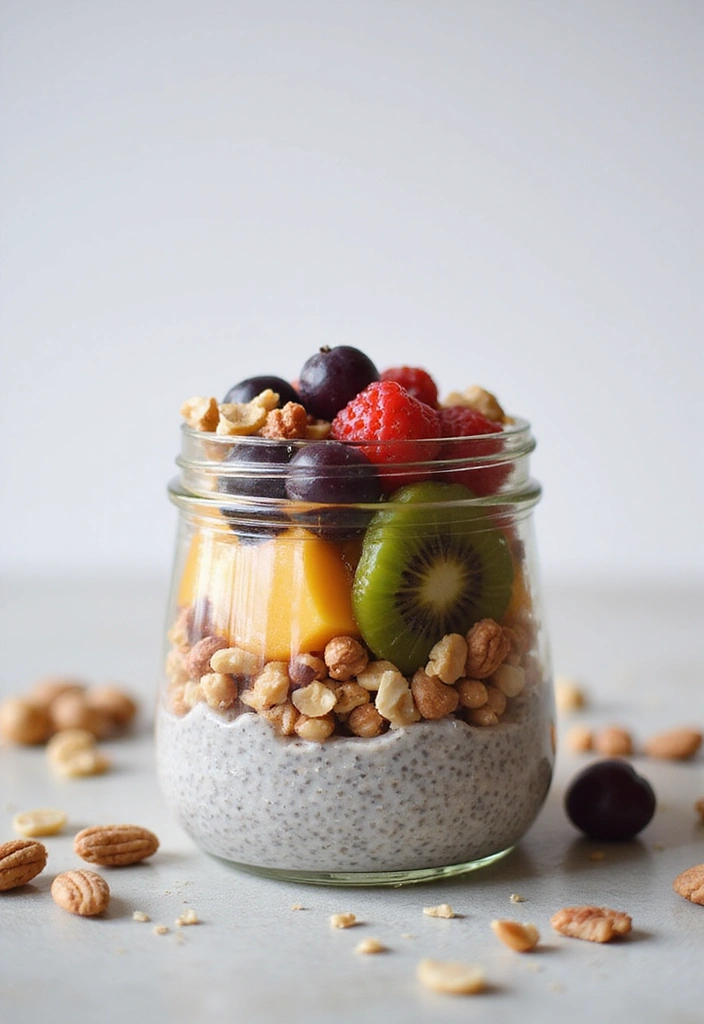
Chia seeds are tiny but mighty! These seeds add a delightful crunch and are loaded with fiber, omega-3 fatty acids, and protein, which can aid digestion and keep you feeling full. You can easily include chia seeds in your diet by adding them to smoothies, puddings, or salads for an extra health boost.
They are an excellent option for a quick breakfast or snack and can be prepared in advance for convenience.
Ingredients:
- 2 tablespoons chia seeds
- 1 cup almond milk (or any milk)
- Sweetener (honey, maple syrup)
Instructions:
1. Combine chia seeds, almond milk, and sweetener in a bowl.
2. Stir well and let sit for 10 minutes, then stir again.
3. Refrigerate for at least 30 minutes to thicken.
4. Serve chilled, topped with fruits or nuts.
– For a quick breakfast, prepare chia pudding the night before.
FAQs:
Can I use chia seeds in baking?
Yes! They work as a great egg substitute in vegan recipes.
Chia Seeds
Editor’s Choice

Viva Naturals Organic Chia Seeds, 2 lb (907 g) – Plant-Based Omega-3 and…
Amazon$11.49
Almond Breeze Dairy Free Almondmilk Unsweetened Original 32 Oz Boxes, 6 …
Amazon$17.94
Nate’s Organic 100% Pure, Raw & Unfiltered Honey – USDA Certified Organic…
Amazon$16.9712. Sweet Potatoes
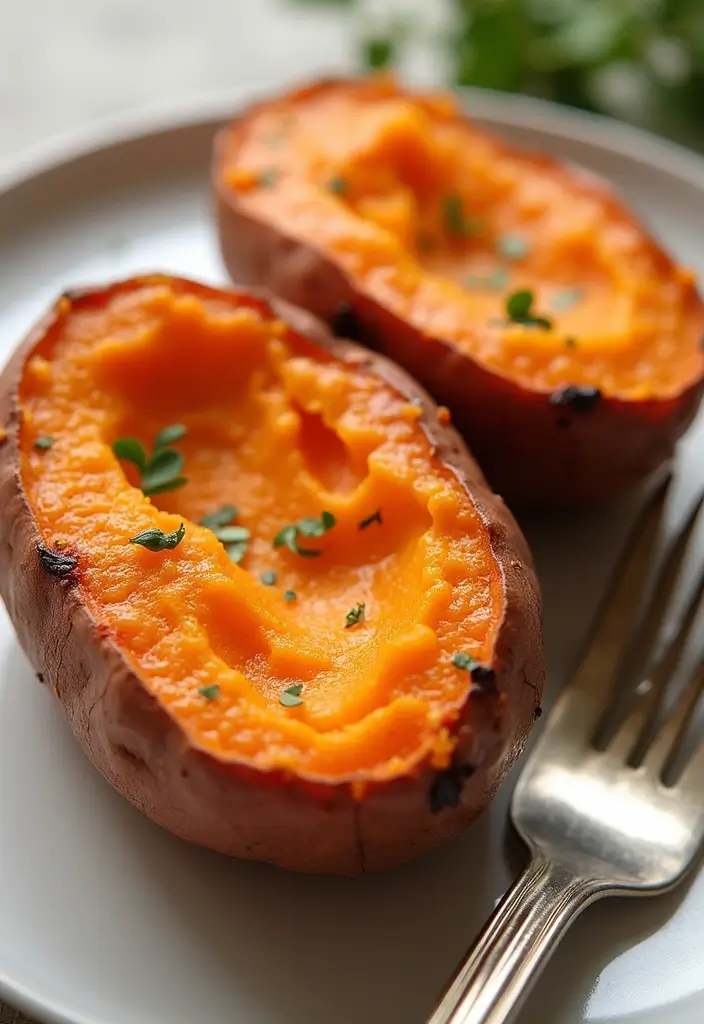
Sweet potatoes are not just a delicious side dish; they are also rich in fiber and essential vitamins that support digestive health. With their natural sweetness, these vibrant tubers can help reduce inflammation and improve gut health. You can roast, mash, or add sweet potatoes to soups for a nutritious boost. They are versatile and can be incorporated into a variety of meals.
Batch-cooking sweet potatoes makes meal prep easy, providing healthy options throughout the week.
Ingredients:
- 4 medium sweet potatoes
- 2 tablespoons olive oil
- Salt and pepper to taste
Instructions:
1. Preheat oven to 425°F (220°C).
2. Wash and pierce sweet potatoes with a fork.
3. Rub with olive oil, salt, and pepper.
4. Roast for 30 minutes until soft.
5. Enjoy them mashed or sliced with toppings.
– Sweet potatoes are perfect for meal prep – cook a batch for easy meals.
FAQs:
Are sweet potatoes healthier than regular potatoes?
Yes, they have more fiber and vitamins.
Sweet Potatoes
Editor’s Choice

Pompeian Robust Extra Virgin Olive Oil, Contains Polyphenols, First Cold…
Amazon$15.64
50 Pack (100-Piece) 24 oz Meal Prep Containers Reusable with Lids, Sturd…
Amazon$23.9813. Avocado
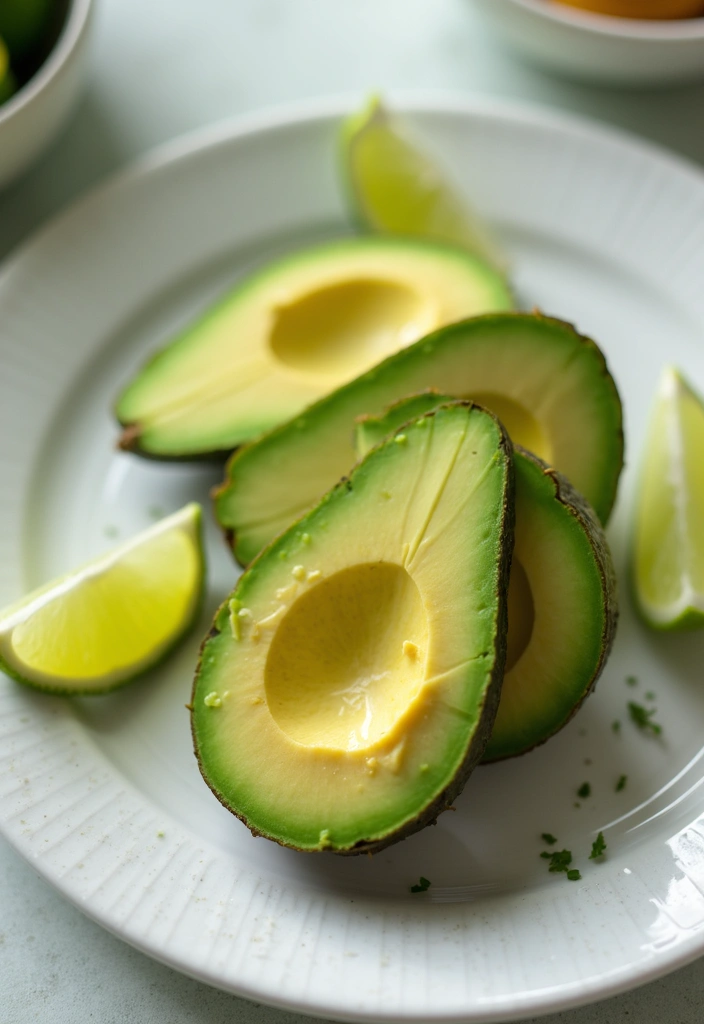
Avocado is not only creamy and delicious but also packed with healthy fats and fiber that promote good digestion. This versatile fruit can be spread on toast, blended into smoothies, or enjoyed in salads. Avocado provides satiety and supports gut health, making it a fantastic addition to your meals.
Its rich texture and taste make it a favorite for many. You can also whip up guacamole for a crowd-pleasing dip!
Ingredients:
- 1 ripe avocado
- Salt, pepper, and lime juice to taste
Instructions:
1. Cut the avocado in half and remove the pit.
2. Scoop out the flesh and mash it in a bowl.
3. Add salt, pepper, and lime juice to taste.
4. Serve on toast or with veggies.
– Avocados brown quickly; add lime juice to slow this down.
FAQs:
Can I freeze avocados?
Yes! Just mash and store in an airtight container.
Avocado
Editor’s Choice

Ceramic Coated Glass Food Storage Container | No PTFE, PFOA, PFAS, and B…
Amazon$149.88
365 by Whole Foods Market, Organic Lime Juice, 10 Fl Oz
Amazon$3.5914. Fermented Coconut Yogurt
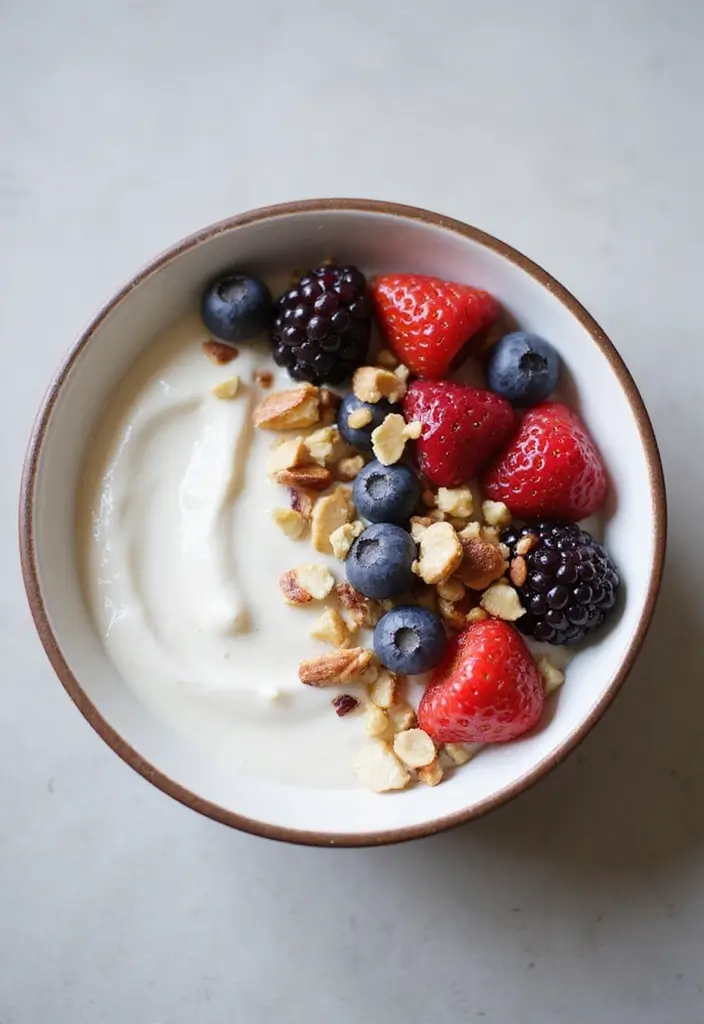
Fermented coconut yogurt is a creamy, dairy-free alternative that offers a delightful texture and a hint of sweetness. Made from coconut milk and probiotics, this yogurt can improve gut health while satisfying your cravings. It’s perfect on its own, with fruits, or blended into smoothies for a refreshing treat.
Creating your own coconut yogurt is a fun way to explore fermentation while enjoying the health benefits of probiotics.
Ingredients:
- 2 cups coconut milk
- 2 tablespoons probiotic powder
- Sweetener (optional)
Instructions:
1. Mix coconut milk with probiotic powder until well combined.
2. Pour into a clean jar and cover with a cloth.
3. Let it ferment at room temperature for 24 hours.
4. Stir, sweeten if desired, and refrigerate before serving.
– Use canned coconut milk for a richer yogurt.
FAQs:
Can I use other types of milk?
Yes! Any non-dairy milk can work, but results may vary.
Fun fact: A small serving of fermented coconut yogurt can deliver 1–10 billion CFUs of probiotics. This gluten-free treat can support gut health while satisfying your cravings.
Fermented Coconut Yogurt
Editor’s Choice

ZEBORA Probiotics for Women, Men and Kids, Prebiotics and Probiotics Pow…
Amazon$16.99
Thai Kitchen Gluten Free Unsweetened Coconut Milk, 13.66 fl oz (Pack of 12)
Amazon$18.96
32 oz Mason Jar Fermentation Kit, 2 Pack Fermentation Jars, Fermentation…
Amazon$20.9915. Nutritional Yeast

Nutritional yeast is a fantastic ingredient for those following a vegan or gluten-free diet. Packed with B vitamins and protein, it has a cheesy flavor that enhances dishes like popcorn, pasta, and casseroles. This deactivated yeast also adds a healthy dose of probiotics, making it a great addition to your gut-healing journey.
Sprinkling it on your meals can elevate flavors while providing nutrients. It’s versatile and can be added to many recipes for a health boost.
Ingredients:
- 2 tablespoons nutritional yeast
- Popcorn or pasta for serving
Instructions:
1. Pop fresh popcorn or cook pasta.
2. Sprinkle nutritional yeast on top.
3. Toss to coat evenly and enjoy a cheesy flavor without dairy!
– Nutritional yeast can also be blended into salad dressings for extra flavor.
FAQs:
Is it safe for everyone?
Yes, but check with your doctor if you have specific allergies.
Nutritional Yeast
Editor’s Choice

Anthony’s Premium Nutritional Yeast Flakes, 1 lb, Fortified, Gluten Free…
Amazon$18.49
BARILLA Gluten Free Spaghetti, 12 Ounce – Non-GMO Gluten Free Pasta Made…
Amazon$2.38
DASH Hot Air Popcorn Popper Maker with Measuring Cup to Portion Popping …
Amazon$19.9916. Dark Chocolate
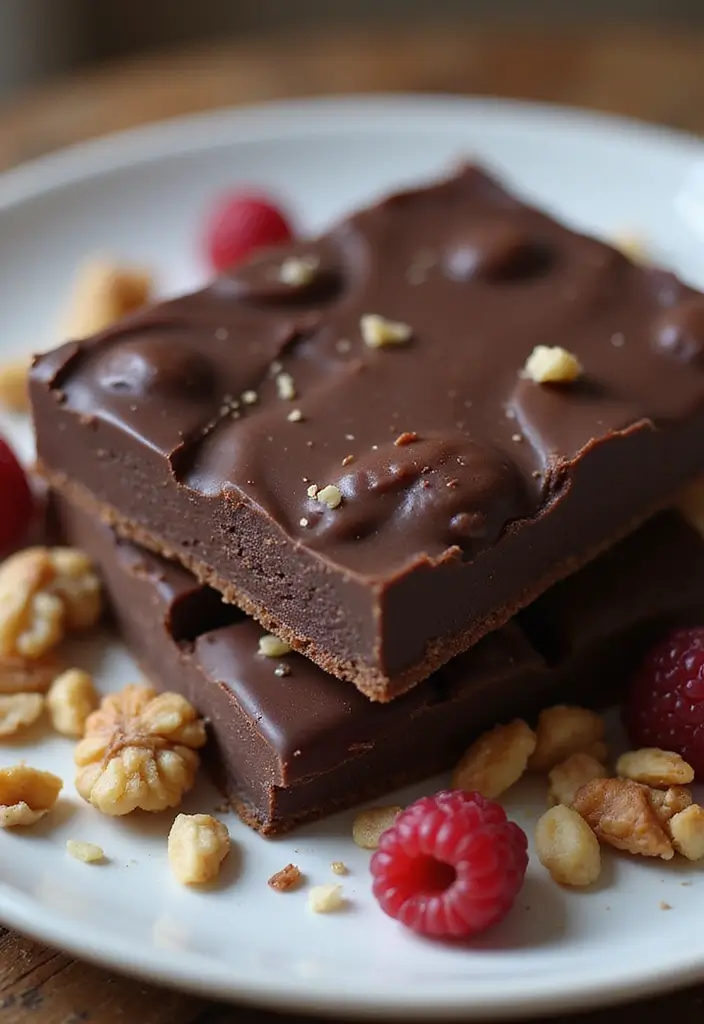
Dark chocolate isn’t just a tasty treat; it’s also packed with antioxidants that can benefit your gut health. A small piece can help reduce inflammation and improve overall digestive function. Look for chocolate with at least 70% cocoa to maximize the health benefits while indulging your sweet tooth.
Enjoy it on its own or pair it with fruits for a healthy dessert. It’s a delightful way to satisfy cravings while supporting wellness.
Ingredients:
- 1 ounce dark chocolate (70% cocoa or higher)
Instructions:
1. Break off a piece of dark chocolate.
2. Enjoy it on its own or with nuts for a delicious snack!
– Pair it with fruits for an even healthier dessert.
FAQs:
How much should I eat?
A small square is typically enough to reap the benefits.
Dark Chocolate
Editor’s Choice
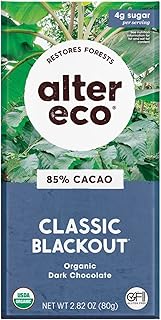
Alter Eco | Classic Blackout | 85% Pure Dark Cocoa, Fair Trade, Organic,…
AmazonCheck Price
Blue Diamond Almonds, Oven Roasted Dark Chocolate Flavored Snack Nuts Pe…
Amazon$18.37
365 by Whole Foods Market, Dark Chocolate Baking Chunks, 12 Ounce
Amazon$6.0917. Apples
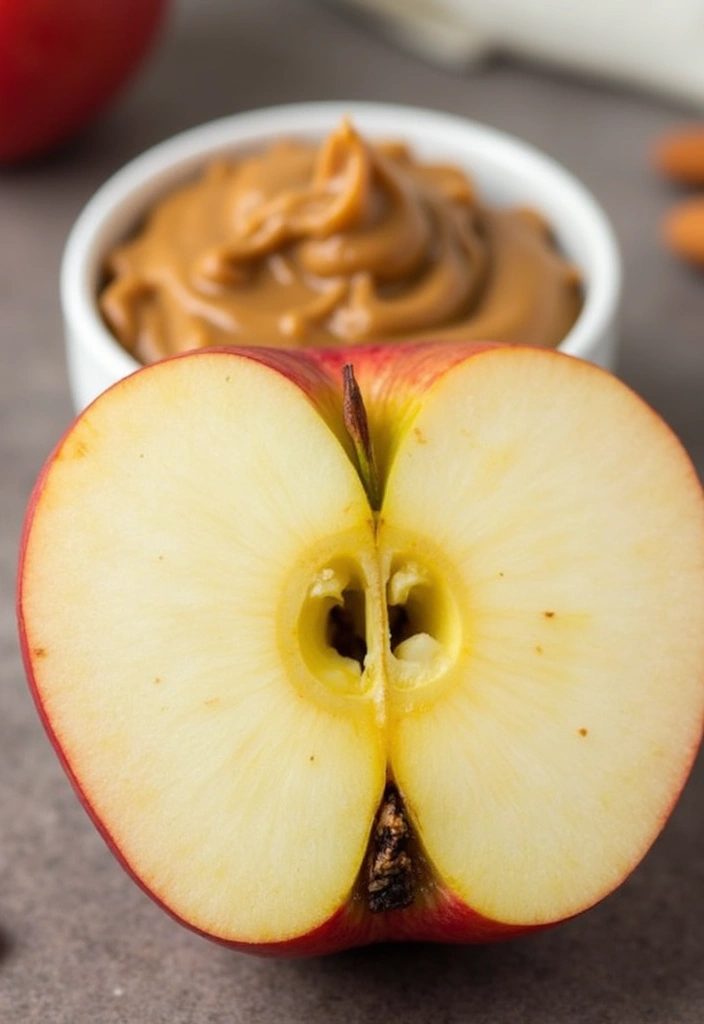
Apples are a crunchy, refreshing snack that’s also great for your gut. They are high in fiber, especially pectin, which can help improve digestion. With their natural sweetness, apples can be enjoyed raw, baked, or used to make sauces for a wholesome treat. They are versatile and can fit into many diets while providing numerous health benefits.
Eating apples regularly can support gut health and keep you feeling satisfied.
Ingredients:
- 1 medium apple (any variety)
Instructions:
1. Wash and slice the apple.
2. Serve with nut butter, or eat plain as a snack.
– Choose organic apples for a healthier option.
FAQs:
Are apples gluten-free?
Yes, they are naturally gluten-free.
Apples
Editor’s Choice

18. Spinach
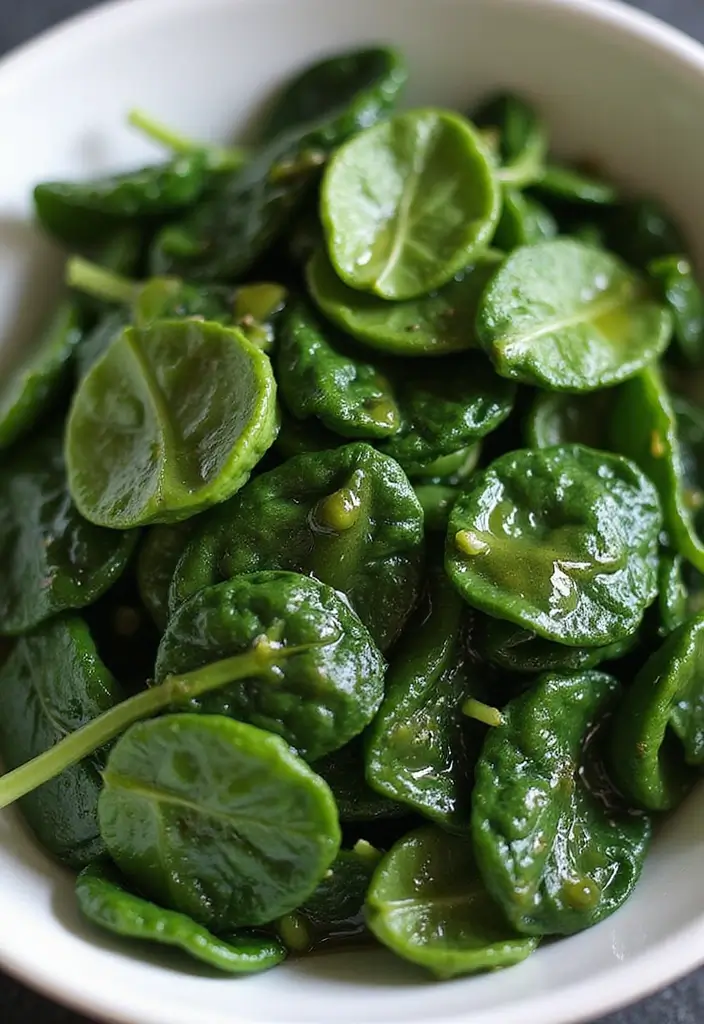
Spinach is a leafy green that’s nutrient-dense and supports gut health. High in fiber, vitamins, and minerals, spinach aids digestion and helps reduce inflammation. Whether tossed in salads, blended into smoothies, or sautéed, it’s a versatile vegetable that adds a nutritional punch.
Adding spinach to your meals can enhance both flavor and health benefits.
Ingredients:
- 4 cups fresh spinach
- 1 tablespoon olive oil
- Salt and pepper to taste
Instructions:
1. Heat olive oil in a skillet over medium heat.
2. Add spinach and sauté for 3-5 minutes until wilted.
3. Season with salt and pepper before serving.
– Pair with garlic for added flavor.
FAQs:
Can I eat spinach raw?
Yes! It’s excellent in salads.
Spinach
Editor’s Choice

Organic Spinach Seeds (Bloomsdale Long Standing) – Approx 300 Seeds – US…
Amazon$4.49
Pompeian Smooth Extra Virgin Olive Oil, Contains Polyphenols, First Cold…
Amazon$18.4819. Fermented Garlic
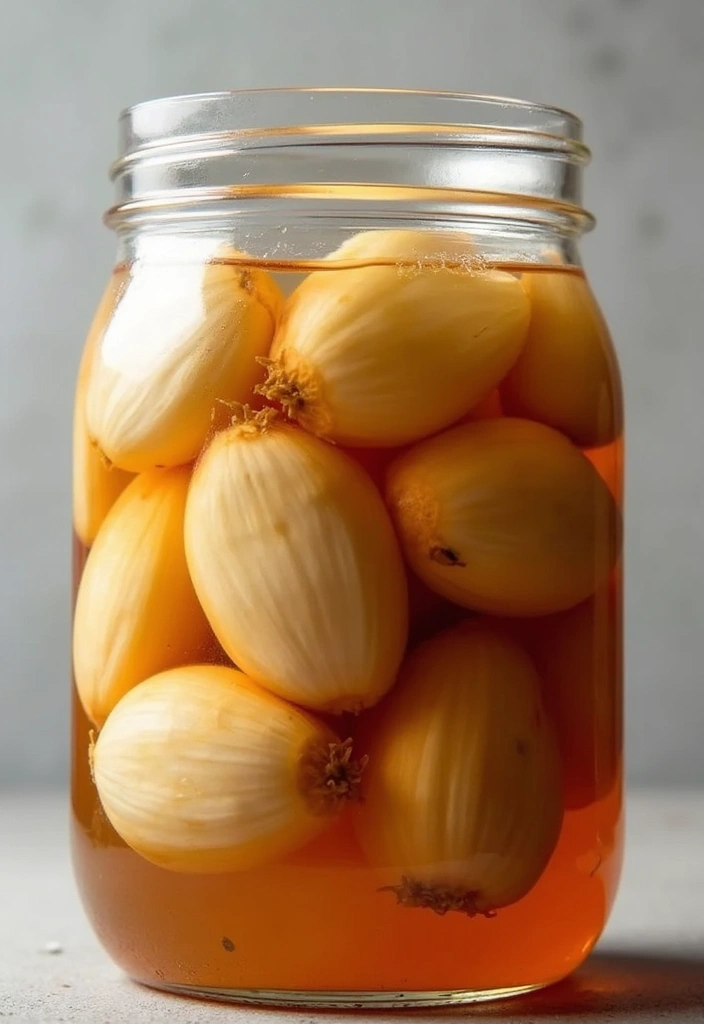
Fermented garlic is a flavorful addition that offers numerous health benefits. This antioxidant-rich food can enhance your immune system while supporting gut health. You can use it in sauces and dressings, or eat it straight for a health boost.
Making fermented garlic at home lets you customize the flavors and health benefits to your preferences.
Ingredients:
- 1 cup garlic cloves
- 1 cup water
- 1 tablespoon sea salt
Instructions:
1. Dissolve salt in water to create a brine.
2. Pack garlic cloves into a jar and pour brine over them.
3. Cover loosely and ferment in a dark place for 2-4 weeks.
4. Taste periodically until it reaches your desired sourness.
– Use non-iodized salt for better fermentation.
FAQs:
Can I add herbs?
Yes, thyme or rosemary can add a nice flavor!
Fermented Garlic
Editor’s Choice
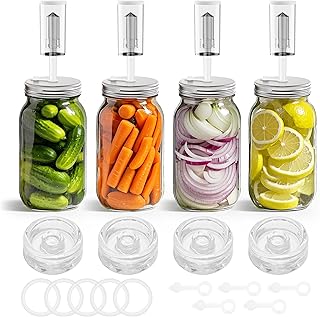
Fermentation Kit for Wide-Mouth Mason fermentation Jar, pickling/sauerkraut…
Amazon$27.99
Amazon Grocery, Sea Salt, Fine Ground, 16 Oz (Previously Happy Belly, Pa…
Amazon$2.14
4-Pack of Fermentation Glass Weights with Easy-Grip Handle for Wide Mouth…
Amazon$14.9920. Fermented Beetroot
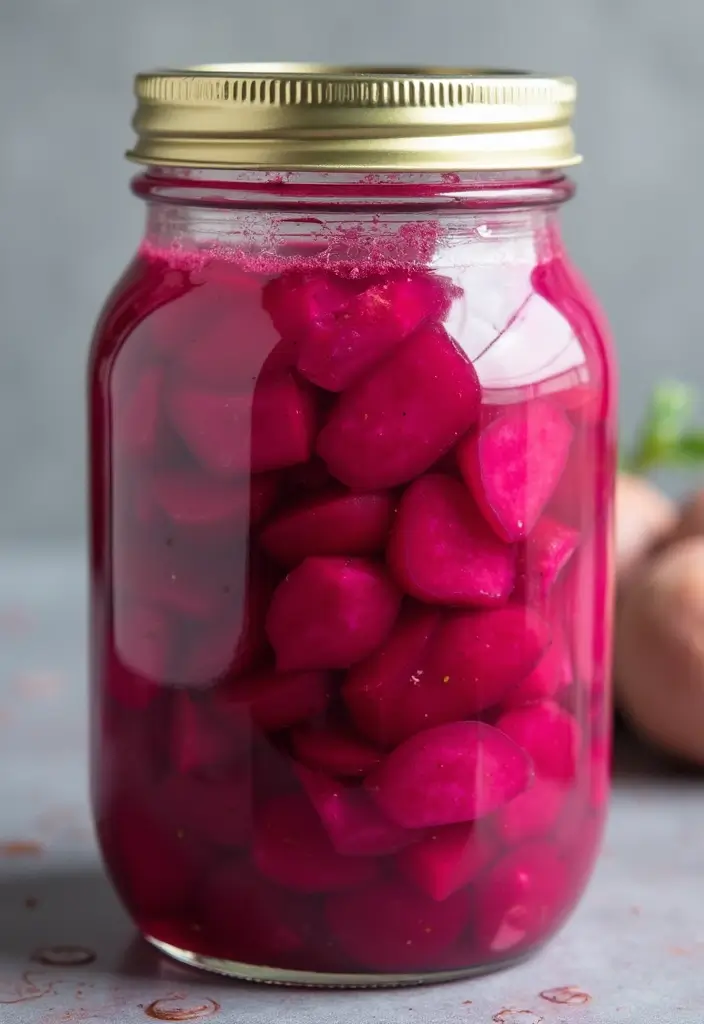
Fermented beetroot is a sweet and tangy treat that’s beneficial for gut health. Beets are high in fiber, which promotes digestion, while their natural sugars are balanced by fermentation, resulting in a deliciously earthy flavor. You can enjoy them in salads or as a snack, bringing color and health benefits to your meals.
Fermenting beetroot at home is simple and lets you add flavorful ingredients to your diet.
Ingredients:
- 2 medium beets, peeled and grated
- 1 tablespoon sea salt
- 4 cups water
Instructions:
1. Dissolve salt in water to make a brine.
2. Mix grated beets with the brine in a jar.
3. Ensure beets are submerged under the brine.
4. Cover and let ferment for 1-2 weeks, tasting periodically.
– Use glass weights to keep beets submerged.
FAQs:
Can I use pickled beets for this?
No, they won’t ferment properly.
Fermented Beetroot
Editor’s Choice
4-Pack of Fermentation Glass Weights with Easy-Grip Handle for Wide Mouth…
Amazon$14.99
JILLMO Fermentation Jar, 1.5 Liter Glass Fermenting Jar with Fermenting …
Amazon$34.99
Redmond Real Salt – Ancient Fine Sea Salt, Unrefined Mineral Salt, 16 Ou…
Amazon$8.2421. Fermented Radishes
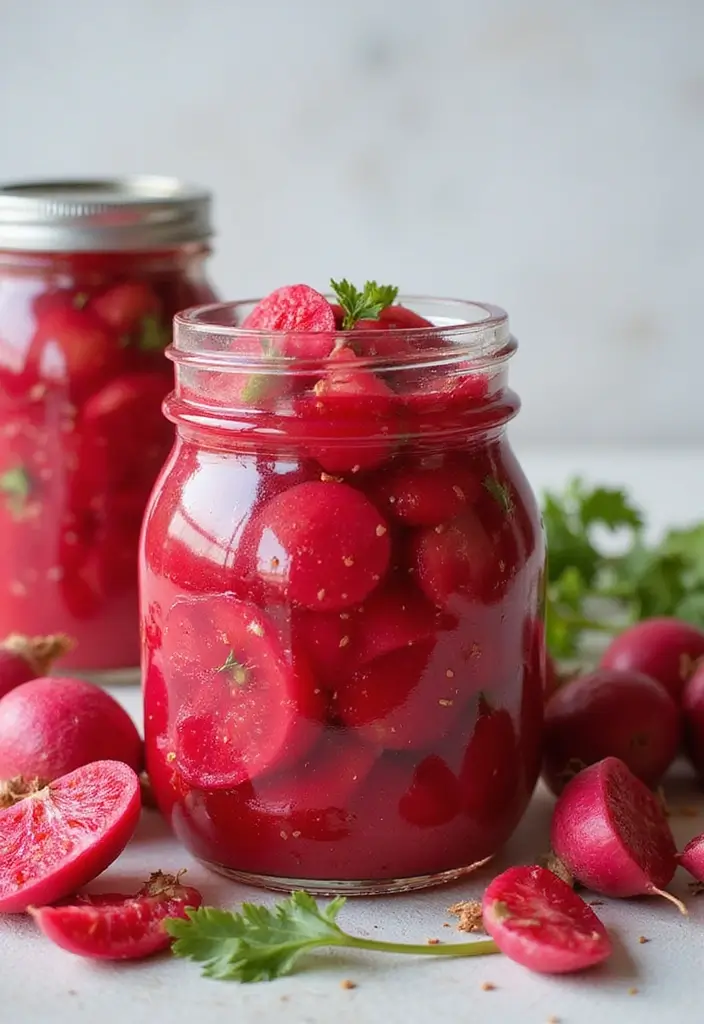
Fermented radishes bring a peppery crunch to your meals while providing a natural probiotic boost. These crunchy veggies are low in calories but high in nutrients, making them a perfect addition to salads or as a snack. The fermentation process enhances their health benefits and promotes better digestion.
Making fermented radishes at home is an enjoyable process that lets you customize the flavors.
Ingredients:
- 1 bunch radishes, sliced
- 1 tablespoon sea salt
- 4 cups water
Instructions:
1. Mix salt in water to create a brine.
2. Add sliced radishes to the brine and ensure they are submerged.
3. Cover and let ferment for 1-2 weeks, tasting regularly.
– Use a clean weight to keep radishes submerged.
FAQs:
How do I know when they are ready?
Taste them; they should be tangy and flavorful!
Fermented Radishes
Editor’s Choice
4-Pack of Fermentation Glass Weights with Easy-Grip Handle for Wide Mouth…
Amazon$14.99
1.5 Gallon Large Fermentation Jars with 2 Airtight Lids and 3 Airlocks, …
Amazon$39.99
Baja Gold Mineral Sea Salt – Recommended by Gary Brecka – Authentic Fine…
Amazon$19.9922. Fermented Carrots
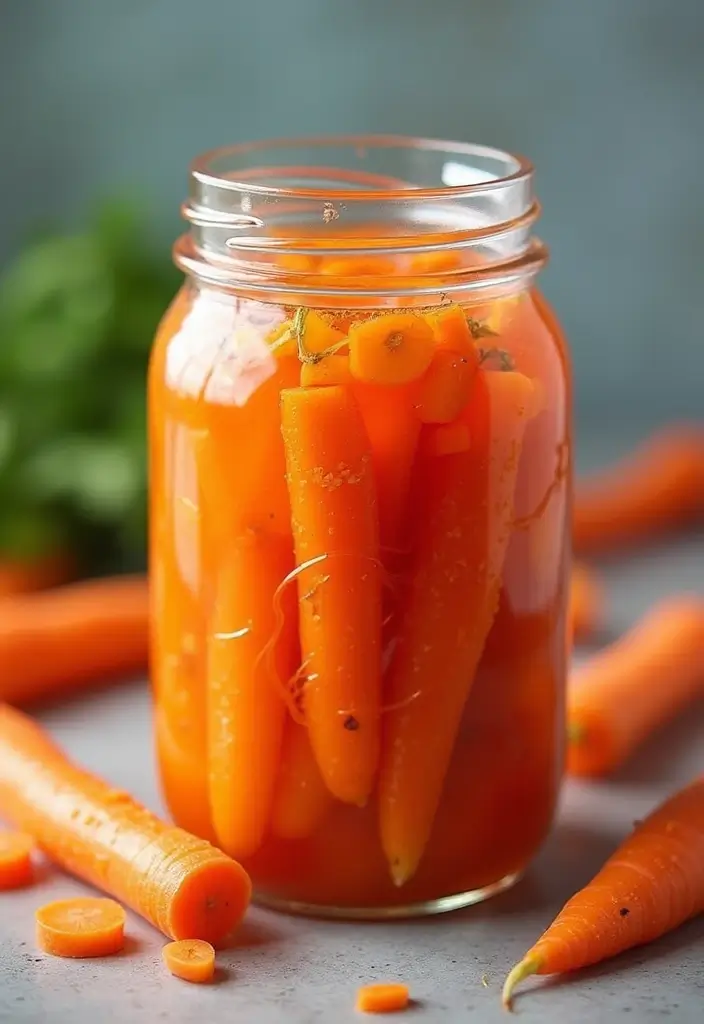
Fermented carrots add a crunchy, probiotic-rich element to your diet. Naturally sweet and high in beta-carotene, these fermented veggies support gut health while enhancing your meals. Whether enjoyed raw as a snack or added to salads, their vibrant color brightens any dish.
Making fermented carrots at home is a simple process that allows for creative flavor combinations.
Ingredients:
- 4 medium carrots, julienned
- 1 tablespoon sea salt
- 4 cups water
Instructions:
1. Make the brine by dissolving salt in water.
2. Pack the carrots into a jar and pour the brine over them.
3. Ensure vegetables are submerged.
4. Let ferment for 1-2 weeks, checking for tanginess.
– Add spices like ginger or coriander for extra flavor.
FAQs:
Are they crunchy?
Yes! Fermentation enhances their crunchiness.
Fermented Carrots
Editor’s Choice
Masontops Complete Mason Jar Fermentation Kit – Pickle Kit, Sauerkraut M…
Amazon$54.95
4-Pack of Fermentation Glass Weights with Easy-Grip Handle for Wide Mouth…
Amazon$14.99
Amazon Grocery, Sea Salt, Fine Ground, 16 Oz (Previously Happy Belly, Pa…
Amazon$2.1423. Brussels Sprouts
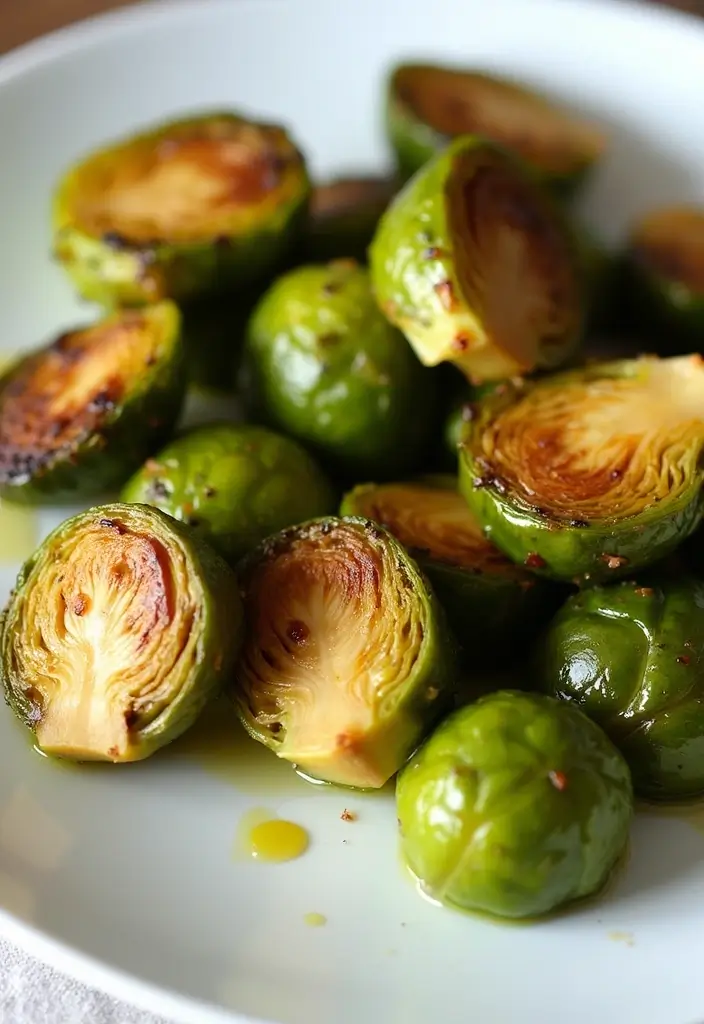
Brussels sprouts are not just for holiday dinners! These mini cabbages are high in fiber and antioxidants that promote gut health. You can roast, sauté, or even ferment them to enjoy in various ways. Their natural compounds help support digestive health and can reduce bloating.
Incorporating Brussels sprouts into your meals can provide both flavor and nutrition.
Ingredients:
- 1 pound Brussels sprouts, halved
- 2 tablespoons olive oil
- Salt and pepper to taste
Instructions:
1. Preheat oven to 400°F (200°C).
2. Toss Brussels sprouts with olive oil, salt, and pepper.
3. Roast for 20 minutes until golden and crispy.
4. Serve warm as a side or add to salads.
– Try adding balsamic vinegar for a tangy glaze.
FAQs:
Can I eat them raw?
Yes, but cooking enhances their flavor.
Brussels Sprouts
Editor’s Choice
Pompeian Robust Extra Virgin Olive Oil, Contains Polyphenols, First Cold…
Amazon$15.64

Vegetable Steamer Basket, Premium Stainless Steel Veggie Steamer Basket …
Amazon$8.2924. Fermented Soybeans (Natto)
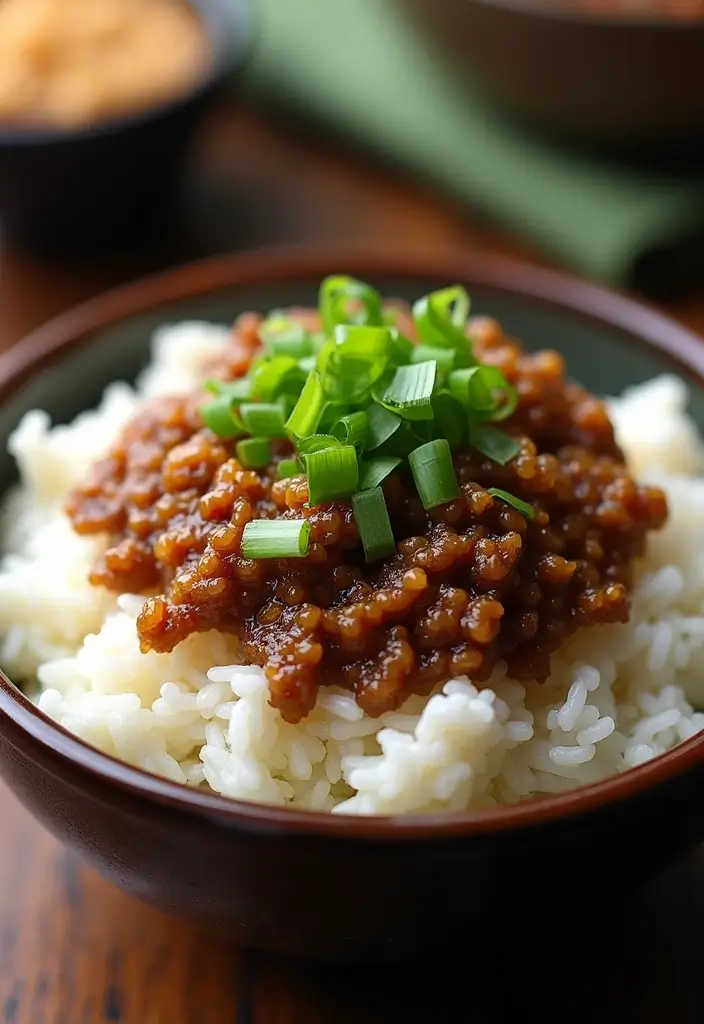
Natto is a traditional Japanese dish made from fermented soybeans, known for its unique flavor and impressive health benefits. It’s loaded with probiotics, protein, and vitamin K, which support gut and bone health. You can enjoy natto over rice, in sushi, or in a breakfast bowl; it’s both nutritious and unique!
Making natto at home allows you to explore fermentation while enjoying its health benefits.
Ingredients:
- 1 cup cooked soybeans
- 1 tablespoon natto starter culture
Instructions:
1. Cook soybeans according to package instructions.
2. Mix with natto starter and place in a jar.
3. Cover loosely and ferment at room temperature for 24 hours.
4. Enjoy with rice or as is!
– Serve with diced green onions for added flavor.
FAQs:
Is natto an acquired taste?
Yes, many find its unique texture and flavor interesting!
Fermented Soybeans (Natto)
Editor’s Choice

Kawashimaya Natto Starter Spores Powder 0.1 oz (3g), Can make up to 10-3…
Amazon$13.98
JILLMO Fermentation Jar, 1.5 Liter Glass Fermenting Jar with Fermenting …
Amazon$34.9925. Fermented Hummus
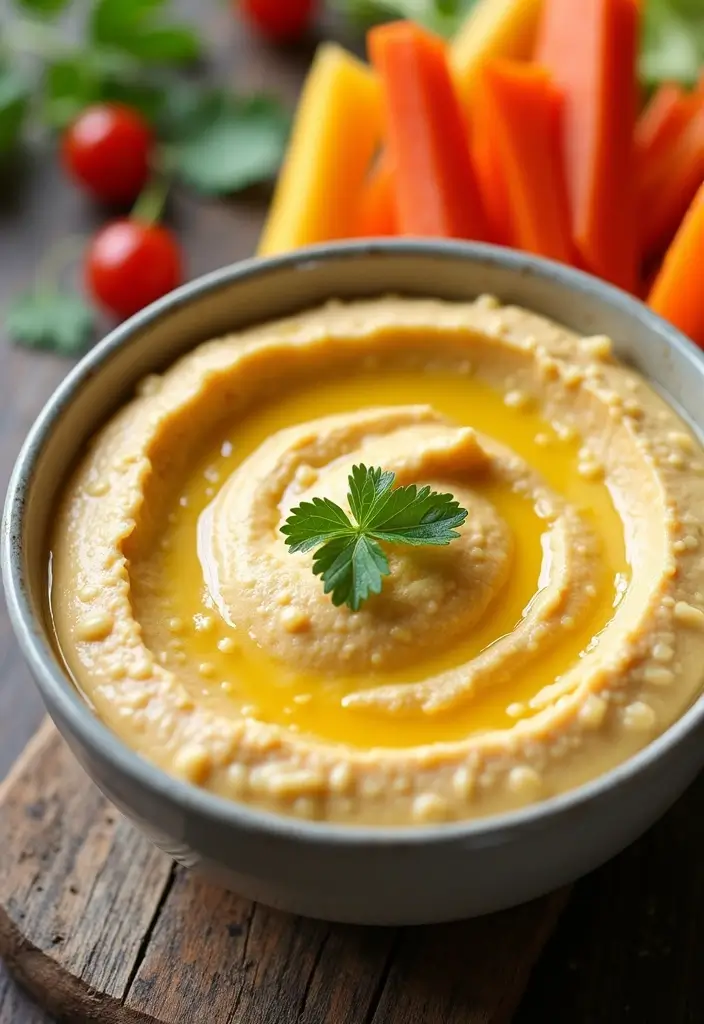
Fermented hummus adds a delicious twist to the classic dish, full of flavor and gut-friendly probiotics. This creamy spread, made from chickpeas, tahini, lemon, and probiotics, boosts digestive health while satisfying your cravings for a rich dip. Making fermented hummus at home is easy and lets you customize the flavors to your liking.
Enjoy it with veggies or spread it on gluten-free bread for a nutritious snack.
Ingredients:
- 1 can of chickpeas
- 2 tablespoons tahini
- 2 tablespoons lemon juice
- 1 tablespoon probiotic powder
Instructions:
1. Blend all ingredients in a food processor until smooth.
2. Transfer to a jar and cover loosely.
3. Let it ferment at room temperature for 24 hours before refrigerating.
4. Serve with veggies or spread on gluten-free bread.
– Add spices like cumin for extra flavor.
FAQs:
How long can I store it?
Fermented hummus can last up to a week in the fridge.
Fermented Hummus
Editor’s Choice
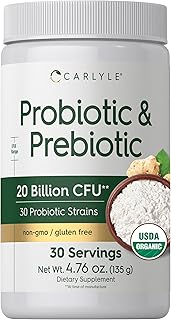
Carlyle Probiotic and Prebiotic Powder | 20 Billion CFU | 4.76 oz | Orga…
Amazon$14.99
Hamilton Beach Food Processor & Vegetable Chopper for Slicing, Shredding…
Amazon$69.95
Canyon Bakehouse, Mountain White Bread, Gluten-Free, 18 oz (Frozen)
Amazon$7.6926. Fermented Salsa
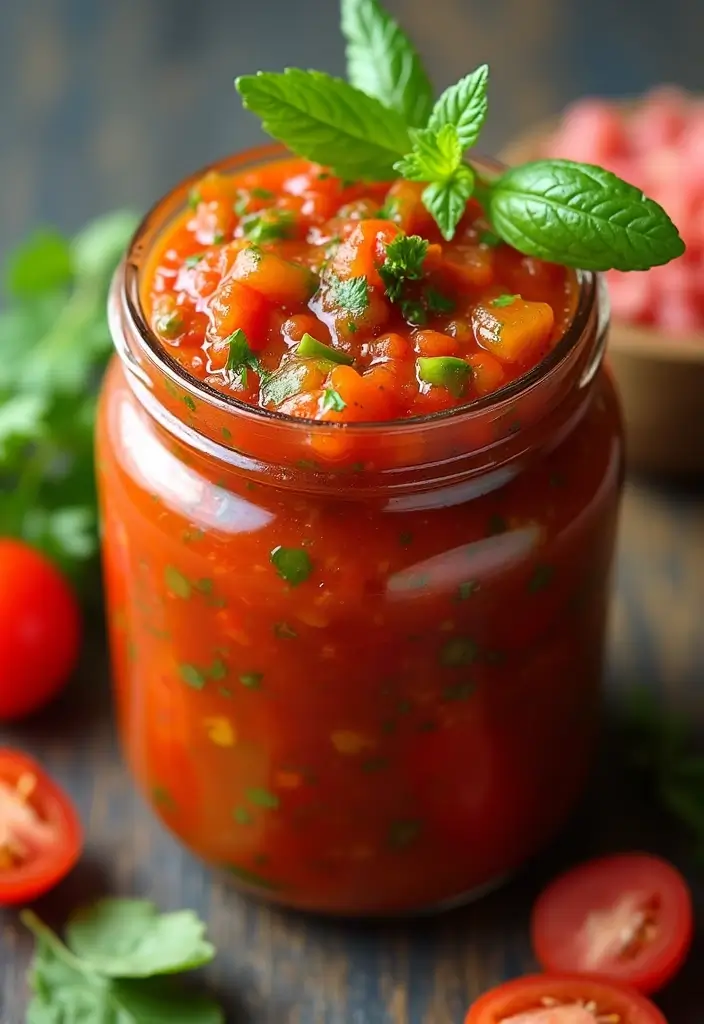
Fermented salsa combines traditional salsa flavors with the benefits of fermentation. This spicy condiment not only adds a zing to your meals but also provides beneficial probiotics. Use it as a dip, topping, or ingredient in your favorite recipes for a health boost! Making fermented salsa at home is a fun way to experiment with flavors.
Enjoy it with tortilla chips or on tacos for a delicious twist.
Ingredients:
- 4 tomatoes, diced
- 1 onion, diced
- 1 bell pepper, diced
- 1 tablespoon sea salt
- 1 tablespoon lime juice
Instructions:
1. Combine all ingredients in a bowl and mix well.
2. Pack into a jar, pressing down to eliminate air.
3. Cover loosely and let ferment for 3-5 days.
4. Enjoy with tortilla chips or on tacos!
– Stir occasionally during fermentation to mix flavors.
FAQs:
Will it stay fresh?
Yes, store the fermented salsa in the fridge for up to a month.
Fermented Salsa
Editor’s Choice
Masontops Complete Mason Jar Fermentation Kit – Pickle Kit, Sauerkraut M…
Amazon$54.95
Nature’s Bounty Acidophilus Probiotic, Daily Probiotic Supplement, Digestive…
Amazon$9.99
Vtopmart 78oz Glass Food Storage Jars with Airtight Clamp Lids, 3 Pack L…
Amazon$24.6427. Fermented Honey
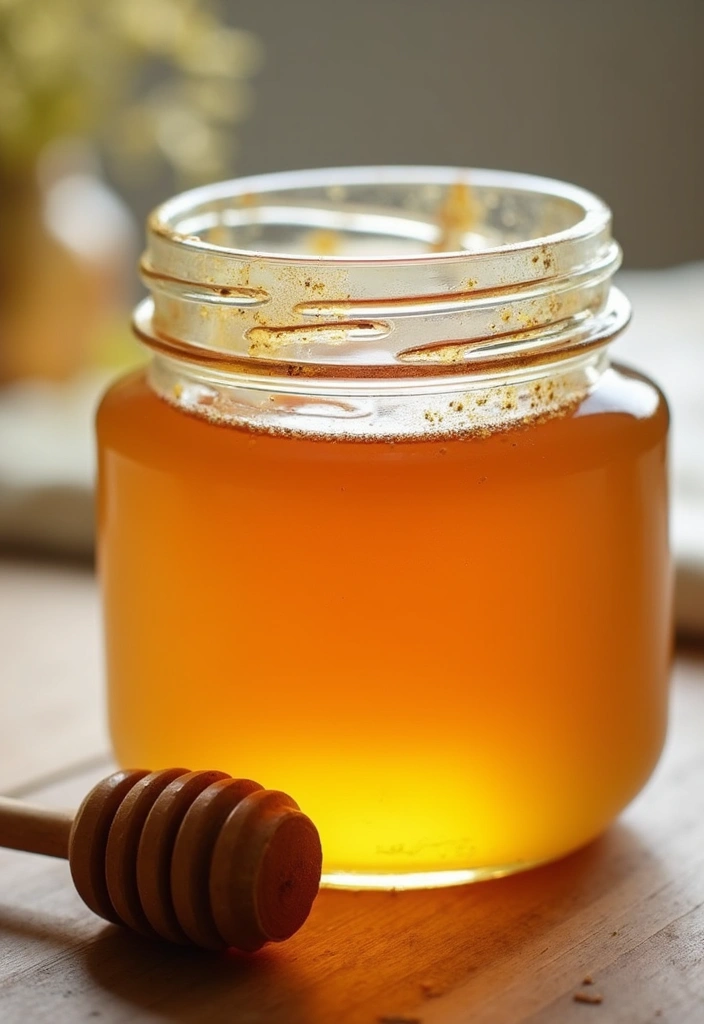
Fermented honey is a unique way to enjoy this sweet treat while boosting its health benefits. This fermented version has probiotic properties and can be used in teas or drizzled over yogurt for a delightful flavor. It’s a sweet way to add gut-friendly benefits to your diet while enjoying a tasty treat! Making fermented honey at home is easy and allows for creativity.
Experiment with flavors by adding spices or herbs for a unique twist.
Ingredients:
- 1 cup raw honey
- 1 tablespoon water
- 1 tablespoon yogurt (with live cultures)
Instructions:
1. Mix honey, water, and yogurt in a jar.
2. Cover loosely and let it ferment at room temperature for 1-2 weeks.
3. Stir occasionally and enjoy in drinks or with food.
– Use high-quality raw honey for best results.
FAQs:
Can I add flavors?
Yes! Try cinnamon or vanilla for a unique taste.
Fermented Honey
Editor’s Choice

Nate’s 100% Pure, Raw & Unfiltered Honey – Award-Winning Taste, 32oz. Sq…
Amazon$13.99
Nature’s Garden Probiotic Yoggies Multi Pack, 21oz (Strawberry Yoggies 1…
Amazon$21.48
JILLMO Fermentation Jar, 1.5 Liter Glass Fermenting Jar with Fermenting …
Amazon$34.99Conclusion
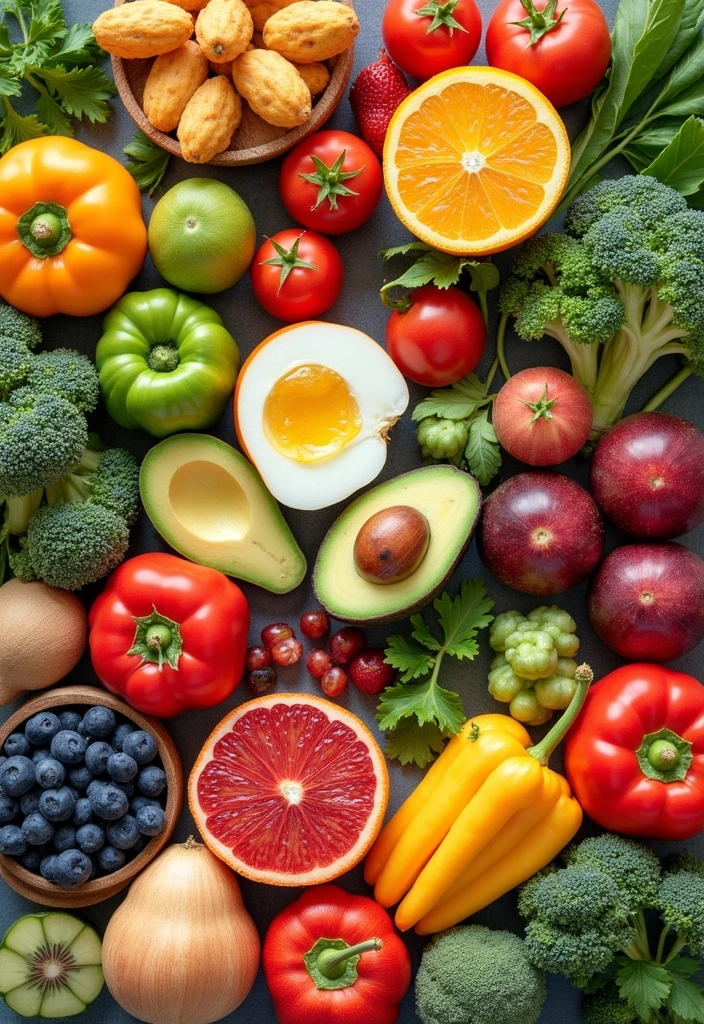
Embracing gluten-free, gut-healing foods not only enhances your meals but also promotes a healthier, happier digestive system. From spicy kimchi to creamy avocado, these 27 options are delicious additions to your kitchen. Experiment with these foods and see what flavors and recipes resonate with you on your gut health journey!
Whether you’re looking to incorporate more probiotics or want to enjoy tasty, wholesome meals, remember that healthy eating can be a delight. Let’s celebrate the joy of food that loves your gut!
Note: We aim to provide accurate product links, but some may occasionally expire or become unavailable. If this happens, please search for the product directly on Amazon or a suitable alternative.
This post contains Amazon affiliate links, meaning we may earn a small commission if you purchase through our links, at no extra cost to you.
Frequently Asked Questions
What Are Some Key Benefits of Incorporating Gluten-Free Fermented Foods Into My Diet?
Incorporating gluten-free fermented foods into your diet can significantly enhance your gut health. These foods are rich in probiotics, which help maintain a healthy balance of gut bacteria, aiding digestion and nutrient absorption.
Additionally, they can help reduce inflammation and support your immune system. By enjoying these delicious options, you not only nourish your body but also discover new flavors, making healthy eating a delightful experience!
How Can I Ensure My Recipes Remain Gluten-Free and Allergy-Friendly?
To make sure your recipes are both gluten-free and allergy-friendly, always read ingredient labels carefully. Look for certified gluten-free products and opt for whole, unprocessed foods whenever possible.
Substituting gluten-containing ingredients with gluten-free alternatives, such as almond or coconut flour, can also help. Don’t hesitate to get creative in the kitchen—experimenting with flavors and textures can lead to delightful discoveries that everyone can enjoy!
What Are Some Easy Gluten-Free Recipes to Boost Digestive Health?
There are plenty of easy gluten-free recipes that can boost your digestive health. Consider trying a simple quinoa salad loaded with colorful vegetables and a light vinaigrette for a refreshing meal.
Another great option is a yogurt parfait with gluten-free granola and fresh fruit, offering a delicious way to incorporate probiotics. Don’t forget to explore soups or stews made with gluten-free grains as aarming, comforting options.
Can Gluten-Free Foods Help Improve My Overall Health?
Absolutely! Embracing a gluten-free diet can offer numerous health benefits, mainly when you focus on whole foods. Many people experience improved digestive health, increased energy levels, and even better skin conditions when eliminating gluten.
Additionally, incorporating a variety of gut-friendly foods can help you feel your best while enjoying a diverse, satisfying diet. Remember, it’s all about balance and choosing nutrient-dense options!
What Should I Look for When Choosing Gluten-Free Fermented Foods?
When selecting gluten-free fermented foods, look for products labeled gluten-free to ensure safety. Check the packaging for live, active cultures, as these indicate beneficial probiotics.
Also, consider the ingredient list—minimal processing is usually better, and avoid added sugars or preservatives. Popular options include kimchi, sauerkraut, and gluten-free miso, all of which can enhance your meals while promoting gut health!
Related Topics
gluten free
gut health
fermented foods
healthy eating
allergy-friendly meals
digestive health
gluten-free recipes
easy meals
meal prep
probiotic foods
nutrient-dense
clean eating